Welcome to the Financial Fast Lane: Navigating Your 2024 Budget with Flair
Ah, the new year! A time when accountants don their superhero capes and entrepreneurs sharpen their pencils—metaphorically speaking, of course. But let’s face it, managing finances can sometimes feel like trying to herd cats—chaotic, unpredictable, and occasionally downright frustrating. Enter QuickBooks and savvy bookkeeping tips, your new best friends in the quest for financial clarity in 2024.
Why Does Accurate Bookkeeping Feel Like Finding a Needle in a Haystack?
Ever wonder why some businesses seem to breeze through tax season while others scramble for receipts? The secret sauce often boils down to the quality of their bookkeeping. It’s not just about data entry; it’s about creating a reliable financial story that withstands audits, impresses investors, and simplifies tax filing. And let’s be honest—who doesn’t want to keep more of their hard-earned cash?
QuickBooks: Your Digital Ledger with a Dash of Magic
Let’s talk about mastering QuickBooks. This software isn’t just a glorified spreadsheet; it’s your financial sidekick—tracking expenses, invoicing clients, and generating reports faster than you can say “audit-proof.” But, like any tool, it’s only as good as the user. Regular updates, clean data entry, and personalized templates turn QuickBooks into a powerhouse for accurate accounting.
Are You Using QuickBooks to Its Full Potential?
If you’re still winging it with manual spreadsheets or disorganized receipts, it’s time for a change. Dive into tutorials, explore automation features, and consider integrating third-party apps to streamline your workflow. A little investment in setup now saves hours of headache later, especially when tax season rolls around.
Bookkeeping Tips That Are Smarter Than Your Average Spreadsheet
Now, onto the practical side—what are some insider secrets that finance pros swear by? First, maintain a consistent schedule. Weekly or bi-weekly reconciliations prevent errors from snowballing. Second, categorize expenses thoughtfully—discretionary versus business-critical. Third, back up your data regularly, because lost info is a nightmare you don’t want to wake up to.
Crucial Question: Can Good Bookkeeping Save Your Business from the Abyss?
Absolutely. Proper bookkeeping isn’t just about compliance; it’s about creating a financial roadmap that guides your growth. Think of it as a GPS—without it, you’re just wandering aimlessly in the dark. Proper records can reveal profitable avenues, highlight wasteful spending, and prepare you for unexpected financial storms.
For more expert guidance, check out our comprehensive CPA tax filing strategies and learn how to leverage them for maximum benefit.
So, fellow financial explorers, what’s your secret weapon for keeping your books in shape? Drop your tips and tales in the comments below—let’s learn from each other’s triumphs and tribulations!
Unlocking the Power of Proactive Bookkeeping in 2024
As the new tax year approaches, forward-thinking business owners recognize that effective bookkeeping isn’t just about compliance—it’s a strategic tool that can propel growth and safeguard your financial future. The question is: are you leveraging your bookkeeping data to its fullest potential? Expert insights emphasize the importance of real-time financial monitoring, which not only simplifies tax filing but also provides a competitive edge in today’s fast-paced market. By staying ahead of cash flow issues and identifying profitable opportunities early, you position your business for sustained success.
The Hidden Benefits of Advanced QuickBooks Integration
While many use QuickBooks for basic tasks, few realize the software’s full capabilities. Automating bank feeds, customizing reports, and integrating third-party apps can significantly reduce manual errors and save valuable time. For example, connecting QuickBooks with payroll or inventory management systems creates a seamless data ecosystem that enhances accuracy and operational efficiency. Curious how to optimize your setup? Our comprehensive guide on mastering QuickBooks can illuminate the path to smarter bookkeeping.
Are You Missing Out on Strategic Tax Deductions Due to Incomplete Records?
Incomplete or disorganized records can cost your business thousands in missed deductions. Experts recommend maintaining meticulous documentation throughout the year, including detailed expense categorization and timely reconciliations. This proactive approach ensures you’re prepared for audits and maximizes your tax savings. For tailored advice, exploring effective CPA tax strategies can help identify overlooked opportunities.
Practical Steps to Elevate Your Bookkeeping Game
Beyond software mastery, consistent routines matter. Set aside dedicated time weekly to review and categorize transactions, back up data securely, and reconcile accounts. Implementing these habits prevents errors from snowballing and keeps your financial reports reliable. Additionally, training your team or outsourcing to trusted professionals can ensure accuracy and compliance, freeing you to focus on growth. Need more insights? Check out top CPA services designed to streamline your financial processes.
Expert Tip: How Can You Use Financial Data to Drive Business Growth?
Expert accountants often ask: “Are you analyzing your financial data to inform strategic decisions?” The answer can unlock opportunities like targeted marketing, product expansion, or cost reduction. Regular financial analysis, coupled with forecasting, enables you to anticipate market shifts and adapt swiftly. For a deeper dive into leveraging your financial data, our guide on top tax filing tips offers valuable insights.
Interested in transforming your bookkeeping from a chore into a competitive advantage? Share your experiences below or explore more expert strategies at top CPA consultation tips. Your journey to financial mastery begins with a single step—are you ready to take it?
Harnessing the Power of Real-Time Data Analytics for Financial Precision in 2024
As businesses navigate the dynamic landscape of 2024, the ability to interpret and leverage real-time financial data becomes not just advantageous but essential. Advanced bookkeeping transcends traditional methods, integrating sophisticated data analytics that enable proactive decision-making. By employing tools like QuickBooks with integrated dashboards, AI-driven forecasting, and customized KPI tracking, entrepreneurs can swiftly identify cash flow anomalies, detect emerging trends, and adjust strategies accordingly.
For instance, real-time dashboards that compile key financial metrics—such as profit margins, receivables aging, and expense ratios—empower managers to intervene before minor issues escalate into crises. According to a 2023 Gartner report, organizations utilizing real-time analytics for financial management see a 35% improvement in forecasting accuracy and a 25% reduction in operational costs (Gartner, 2023). Embracing these technologies can give your business a competitive edge, transforming bookkeeping from a compliance task into a strategic advantage.
Why Is Predictive Analytics a Game-Changer for Small Business Bookkeeping?
Predictive analytics harnesses historical data to forecast future financial scenarios. This approach enables small businesses to anticipate cash shortages, optimize inventory levels, and plan for seasonality with greater confidence. For example, machine learning algorithms can analyze past sales cycles to recommend optimal stock levels, reducing holding costs and preventing stockouts.
Integrating predictive models into QuickBooks—via third-party extensions—can streamline this process and provide actionable insights. As per a study by Deloitte in 2023, companies that adopted predictive analytics experienced a 20% boost in revenue growth and a 15% decline in unnecessary expenses (Deloitte, 2023). For small businesses, this means smarter planning and more resilient financial health.
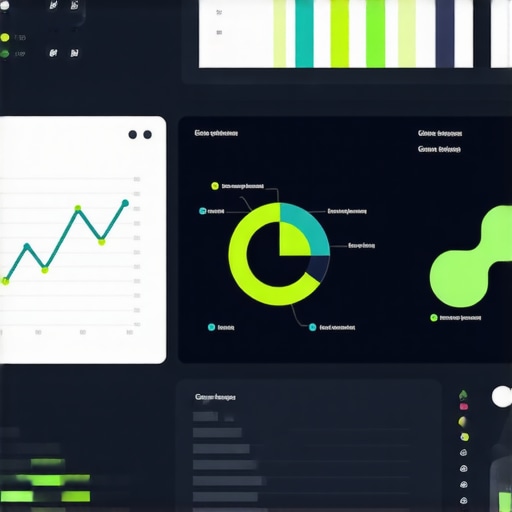
Deep Dive into Automated Reconciliation: Eliminating Human Error in Complex Transactions
Automation is revolutionizing how we reconcile accounts, especially with complex transactions involving multi-currency, international payments, or intricate vendor relationships. Advanced reconciliation tools leverage AI to match bank feeds with ledger data, flag discrepancies instantly, and suggest corrections—saving countless hours and reducing costly errors.
For example, cloud-based solutions like AutoReconciliation Pro can automatically cross-verify thousands of transactions daily, highlighting anomalies for review. This not only enhances accuracy but also ensures compliance with audit standards, which increasingly favor electronic, transparent records (Accounting Today, 2023).
Are you maximizing your reconciliation processes? Implementing these advanced tools could be the difference between a smooth audit and a costly correction process, especially as regulatory scrutiny intensifies.
Optimizing Tax Strategies Through Sophisticated Record-Keeping and Data Segmentation
Tax planning in 2024 demands meticulous record-keeping paired with strategic data segmentation. By categorizing expenses at a granular level—such as marketing, R&D, or operational overhead—and maintaining detailed documentation, businesses can unlock overlooked deductions and credits. Automated tagging within QuickBooks ensures that each transaction aligns with IRS guidelines, simplifying tax preparation and reducing audit risk.
Moreover, leveraging data segmentation allows for scenario modeling—projecting how different expense allocations might impact tax liabilities. For instance, a small enterprise could simulate the benefits of accelerated depreciation versus standard amortization, choosing the path that maximizes savings. According to the IRS, comprehensive and organized records can expedite audits and often result in favorable outcomes (IRS, 2023).
Interested in elevating your tax strategy? Collaborate with a CPA experienced in digital record-keeping and data analytics to unlock maximum benefits and ensure compliance.
Harnessing Data-Driven Insights for Smarter Financial Decisions
In today’s competitive landscape, small businesses that leverage sophisticated data analytics gain a substantial edge. Advanced bookkeeping tools now incorporate AI and machine learning algorithms that analyze historical data, detect anomalies, and generate actionable insights. Experts emphasize that integrating these insights into your financial management can optimize cash flow, improve profit margins, and inform strategic growth initiatives. For instance, dynamic dashboards in QuickBooks can display real-time KPIs, enabling swift corrective actions and informed planning.
How Can Predictive Analytics Revolutionize Your Financial Planning?
Predictive analytics utilizes historical data to forecast future trends, empowering entrepreneurs to anticipate challenges and capitalize on emerging opportunities. For example, machine learning models can predict seasonal sales fluctuations, guiding inventory management and marketing efforts. Deloitte’s 2023 report highlights that small businesses adopting predictive tools experience a 20% increase in revenue growth and a 15% reduction in wasteful expenses (Deloitte, 2023).
By embedding predictive models into your QuickBooks setup through third-party integrations, you can proactively manage financial risks and seize growth opportunities. This strategic approach transforms bookkeeping from a routine task into a competitive advantage.
Deep Dive: Automating Complex Reconciliation Tasks with AI
Automated reconciliation has moved beyond basic bank-feed matching. Advanced AI-powered solutions now handle multi-currency transactions, international payments, and intricate vendor relationships with minimal human oversight. These tools identify discrepancies instantly, suggest corrections, and generate audit-ready records, significantly reducing errors and compliance risks. For example, cloud-based platforms like AutoReconciliation Pro automate cross-verification processes, saving hours and enhancing accuracy (Accounting Today, 2023).
Implementing such systems ensures your records are precise and audit-ready, especially vital as regulatory scrutiny intensifies globally. Are you utilizing the full potential of your reconciliation processes? Advanced automation could be your secret weapon for error-free financial records.
Strategic Record-Keeping for Tax Optimization and Compliance
Effective tax planning in 2024 demands meticulous, granular record-keeping. Automating expense tagging within QuickBooks allows you to categorize costs precisely—be it marketing, research, or operational overheads—unlocking hidden deductions. Scenario modeling tools enable you to simulate different expense allocations, helping you choose strategies that minimize liabilities and maximize refunds.
According to IRS guidelines, comprehensive documentation expedites audits and enhances your position during scrutiny (IRS, 2023). Collaborating with a CPA skilled in data analytics can further refine your tax strategies, ensuring you leverage every available advantage.
Engage and Share Your Insights
Empowered with these advanced strategies, your bookkeeping can evolve from a mundane chore into a powerful tool for growth. Have you integrated predictive analytics or AI automation into your financial processes? Share your experiences or questions below—let’s foster a community of innovative financial thinkers.
Expert Insights & Advanced Considerations
1. Harness Predictive Analytics for Smarter Planning
Integrating predictive analytics into your bookkeeping toolkit allows small businesses to forecast cash flows, optimize inventory, and anticipate seasonal trends. Leveraging machine learning models within QuickBooks or through third-party extensions offers a competitive edge by enabling proactive decision-making, reducing waste, and maximizing profitability.
2. Automate Complex Reconciliation with AI
AI-driven reconciliation tools now handle multi-currency transactions, international payments, and intricate vendor relationships with minimal human oversight. This not only minimizes errors but also streamlines audit preparations, ensuring compliance and saving valuable time during busy seasons.
3. Strategic Record-Keeping for Tax Optimization
Granular expense categorization and automated tagging within QuickBooks facilitate uncovering hidden deductions and credits. Scenario modeling tools empower businesses to simulate different expense allocations, helping to minimize tax liabilities and enhance refund opportunities.
4. Leverage Real-Time Data Analytics for Competitive Advantage
Real-time dashboards displaying key metrics such as profit margins, receivables aging, and expense ratios enable swift corrective actions and strategic planning. According to Gartner, organizations utilizing such analytics improve forecasting accuracy by 35%, positioning them ahead of competitors.
5. Embrace Strategic Data Segmentation for Tax and Growth
Detailed expense segmentation aligned with IRS guidelines accelerates audits and uncovers additional deductions. Combining this with scenario analysis helps optimize tax strategies and supports informed growth initiatives.
Curated Expert Resources
- Gartner Financial Analytics Reports: Provides insights into the impact of real-time data analytics on forecasting and operational efficiency.
- Deloitte Predictive Analytics Studies: Explores how predictive models enhance revenue growth and expense management for small businesses.
- IRS Recordkeeping Guidelines: Offers comprehensive advice on proper documentation, expense tracking, and audit readiness.
- Accounting Today AI Reconciliation Solutions: Features the latest advancements in AI-powered reconciliation tools for complex transactions.
- Intuit QuickBooks Advanced Features: Guides on leveraging automation, data segmentation, and real-time dashboards for maximum impact.
Final Expert Perspective
Mastering advanced bookkeeping strategies in 2024 requires embracing innovative technologies like predictive analytics and AI automation, which transform traditional practices into strategic assets. By integrating these tools within platforms like QuickBooks and aligning your record-keeping with expert guidelines, your business can achieve unprecedented accuracy, efficiency, and growth potential. Are you ready to elevate your financial game? Share your insights or explore tailored solutions through our comprehensive resources—your journey to financial mastery is just a click away.