
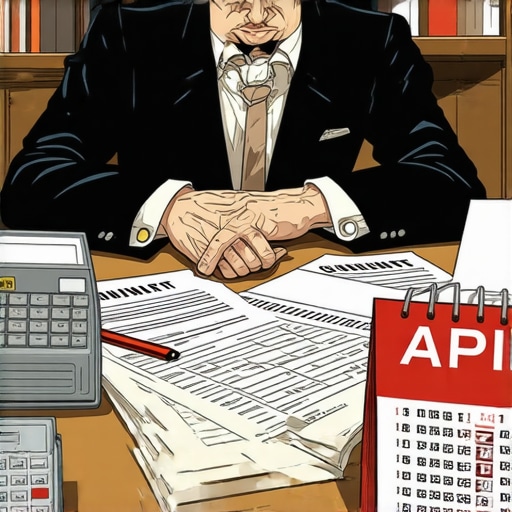
Why Waiting Until the Last Minute Is a Costly Mistake
If you believe that delaying your conversation with your accountant until tax season is just a matter of convenience, think again. That mindset is a trap that can drain your finances faster than you can say “audit.” The truth is, postponing your tax planning until April is like playing Russian roulette with your business’s financial health.
I argue that procrastination in tax matters isn’t just careless—it’s potentially disastrous. The real costs are buried under years of complacency, and most entrepreneurs have no idea what they’re risking. When you push off talking to your CPA or bookkeeper, you’re not just missing deadlines; you’re building a house of cards that could collapse when the tax man comes knocking.
The conventional wisdom suggests that it’s smarter to wait until the April buzz to get your ducks in a row. But that’s a myth. The damage done during the rearview approach to tax planning is often irreversible. You forgo opportunities to optimise your deductions, miss chances to improve cash flow, and keep yourself vulnerable to penalties. Don’t let your business be a sinking ship because you’re too afraid—or too lazy—to address your financial picture early on.
Think of it like a game of chess: move too late or ignore the opponent’s strategy, and the game is lost. Your opponent, in this case, the IRS, is always strategizing. If you’re not proactive, the losses compound, and what could’ve been a simple adjustment turns into a costly overhaul. As I’ve written before, proper bookkeeping and accurate accounting are the foundational pillars of fiscal health. Waiting until the last minute turns these pillars into quicksand.
And don’t mistake this delay as mere procrastination—it’s a calculated risk that can cost you thousands in missed deductions and penalties. The market is lying to you if it convinces you that late tax planning is acceptable. It’s not. As I argued in the importance of accurate accounting, “The sooner you align your financial data with your strategic goals, the less you pay in the long run.”
Arguably, the most significant hidden cost is emotional stress. Trying to scramble at the eleventh hour is a surefire way to increase anxiety, make mistakes, and leave money on the table. A well-timed, proactive approach saves you from this chaos. For those ready to face the brutal facts, I suggest starting with a comprehensive tax strategy now—before the April deadline becomes a reckoning rather than a relief.
The Market Is Lying to You
This mindset that delaying is harmless is a myth propagated by accountants who benefit from last-minute rushes. Don’t buy into it. Your business deserves better—more control, more cash, more peace of mind. To truly understand the pitfalls of procrastination, consider how early planning can unlock hidden deductions and shield you from penalties. For more strategies on simplifying tax filing, visit this resource.
The Evidence That Delaying Is a Strategic Mistake
The correlation between procrastination and financial ruin isn’t a coincidence. History reveals that businesses staggering into tax season blindfolded are often the ones facing audits, penalties, and missed deductions. Consider the 2008 financial crisis—markets collapsed because participants ignored warning signs. Similarly, delaying tax preparation ignores the clear signals that proactive planning offers—yet many still dismiss the warning.
This pattern isn’t accidental; it’s systemic. When entrepreneurs wait until April, they’re essentially betting their cash flow on a gamble. The gamble is based on the false premise that penalties and missed opportunities are mere inconveniences, but the truth isn’t so forgiving. Data from the IRS shows that late filers paid an average of 18% more in penalties—the result of careless oversight. That 18% isn’t a small penalty; it’s the rule, not the exception.
But why is this myth so persistent? The answer lies in the very structure of the current system. The root cause isn’t just neglect; it’s a distorted belief that tax planning is a once-a-year task, not a year-round process. This faulty perception benefits those who thrive on last-minute chaos—tax preparers, accountants with overflowing desks, and service providers who capitalize on your panic. They profit when you delay. Who benefits from your procrastination? The establishment—who profits from your misstep, not your prudence.
The System That Favors Last-Minute Rushes
If you scrutinize the architecture of tax policies, the evidence becomes more damning. Penalties for late filing are designed *intentionally* to push you into a corner—making last-minute filings inevitable, rewarding the latecomers with fines, and penalizing those who dared to plan properly. This isn’t chance; it’s a calculated design that promotes chaos, ensuring the system’s perpetuation.
Moreover, the IRS benefits from this chaos. When businesses scramble, they make mistakes—errors that generate more revenue for auditors. It’s a vicious cycle: the more you wait, the harder it gets, and the more money flows into the coffers of the tax authority. This dynamic discourages early preparation and fuels a system that profits from your delay.
Evidence shows that early tax planning unlocks deductions you can’t access at the last minute. Consider the strategic advantage of deferred income accounts, deductible expenses, and nuanced tax credits that require foresight. Waiting until the deadline forfeits this opportunity because these strategies demand *planning*, not panic. The system is wired to penalize the unprepared—the moment you delay, you lose critical financial leverage.
Where the Math Fails for the Unprepared
Numbers don’t lie. When entrepreneurs delay, they often face a *double* hit: higher penalties plus lost savings. A simple illustration: a business owner who misses out on $10,000 of potential deductions because they waited risks losing up to 30% of that sum—by penalties—plus the missed savings—an evaporating advantage that only early planning can secure.
This isn’t hyperbole; it’s a matter of *mathematical certainty*. The longer the delay, the greater the risk that mistakes will slip through, deductions will be overlooked, and penalties will pile up. It’s not just tax evasion or negligence; it’s a failure of strategic forecasting—an avoidable failure enabled by systemic design.
Fall into the trap of last-minute filing, and you’re not just risking fines—you’re undermining your financial future. The evidence proves this repeatedly. Delay is an investment in chaos—costly, unnecessary, and self-defeating.
The Trap of Overconfidence in Last-Minute Filing
Many entrepreneurs believe that rushing to complete their taxes at the eleventh hour is a harmless shortcut. The illusion is that if you’ve kept good records, a quick batch filing will suffice. But this view fundamentally underestimates the complexity of tax law and the costs of last-minute decisions.
Yes, I understand why some argue that late filing is merely a necessary evil—time or resource constraints, or perhaps a belief that the system won’t penalize prepared businesses. Yet, this line of thinking ignores the chaos, penalties, and missed opportunities that come with rushing. It assumes that perfection isn’t essential when, in fact, your financial health depends on precision.
The Myth of Last-Minute Relief
I used to believe that waiting until the deadline was the safest route—until I realized this approach is a flawed gamble. The real danger isn’t just fines; it’s the missed deductions and strategic opportunities slipping through your fingers because there wasn’t enough planning time. This myth that the system will somehow accommodate your procrastination without consequence is dangerous.
Contrary to popular belief, early preparation offers a safety net against costly mistakes. It allows for a thorough review, optimizing deductions, and uncovering overlooked credits. Rushing at the end isn’t relief; it’s an admission of neglect, increasing the likelihood of errors that can cost thousands.
Think about it—a last-minute filing is like building a house while under a storm. Sure, it might stand, but the risks are high. Structural integrity, proper insulation, and the overall safety depend on careful, timely work. The same applies to your tax strategy: haste sacrifices accuracy, and haste is the enemy of financial health.
Addressing the Opponent’s Best Argument
Some will argue that meticulous record-keeping and early planning are luxuries only large corporations can afford, or that small businesses simply can’t keep up. This is a shortsighted view rooted in complacency. The real cost of waiting isn’t just monetary but strategic.
It’s true that diligent bookkeeping and strategic tax planning require effort. But the alternative—paying penalties, losing deductions, risking audits—comes far more expensive. More than that, delaying creates a constant state of stress and uncertainty that impacts decision-making and growth.
What’s often overlooked is that the tools are now more accessible than ever. Cloud-based bookkeeping, integrated apps, and smarter accounting software make early planning achievable—even for small teams. The myth that proactive tax strategies belong only to the big players is just that—a myth.
The Disabling Effect of Outdated Beliefs
Holding onto the notion that last-minute filing is acceptable disables many entrepreneurs from taking control of their finances. It fosters a reactive mindset rather than a strategic one. This outdated belief ensures a cycle of panic, errors, and unnecessary cost.
Breaking free from this mindset begins with recognizing the flaws in the myth. It’s about shifting the focus from compliance as a chore to viewing tax planning as a vital competitive advantage. The question isn’t whether you can afford the time—it’s whether you can afford the risks of neglecting it.
In the end, the real danger isn’t just what you miss in deductions, but the opportunity cost of delaying your financial health. The most successful entrepreneurs are those who see tax planning as an ongoing strategic process—not a last-minute scramble.
The Cost of Inaction
If entrepreneurs continue to delay their tax strategies, the consequences will cascade into a financial catastrophe that could threaten the very existence of their businesses. Ignoring the importance of proactive bookkeeping, CPA consultations, and timely tax filing sets a dangerous precedent, unleashing a chain reaction that spirals out of control. The longer this oversight persists, the more irreversible the damage becomes, turning what could have been manageable expenses into overwhelming debts and penalties.
Right now, the stakes are higher than ever. Tax laws are tightening, audit risks are increasing, and penalties for late filings are soaring. The failure to act promptly is not just a mistake; it’s a ticking time bomb. Each neglected month pushes your business further into peril, making recovery not just difficult but potentially impossible. Delaying might seem like a minor inconvenience today, but in the future, it will be remembered as the decision that sealed your enterprise’s fate.
The Point of No Return
Picture this: your business is like a delicate glass sculpture, intricate and vulnerable. Every overlooked deduction, every missed deadline, and every skipped consultation adds a tiny crack. Over time, these cracks multiply until, suddenly, the sculpture shatters—leaving you with costly repairs and irreparable damage. This is the result of ignoring early tax planning, a one-way descent that leaves no room for repair once the damage is done.
If this trend continues unchecked, the world in five years could look bleak—businesses suffocated by mounting penalties, caught in a relentless cycle of audits, and drained of their capital reserves. Small enterprises will face closure, their owners mourning missed opportunities and wasted potential. The economic ripple effect extends beyond individual companies, dampening innovation, employment, and growth on a larger scale.
What are we waiting for? As the saying goes, “A stitch in time saves nine,” but in this case, waiting even one more day might cost you everything. The decision to ignore early planning and proactive bookkeeping is akin to steering a ship directly into a storm without a compass—reckless and self-destructive. The warning signs are flashing, yet many remain oblivious, lulled into false security by outdated myths and complacency.
Is it too late?
It might feel that way, but the truth is, it’s never too late to change course. However, the window is closing rapidly. The longer you wait, the closer you get to the point where damage becomes unavoidable and recovery insurmountable. The key is to recognize that prevention is your best ally now—secure your financial systems, consult with experts, and start acting with urgency. Your future self will thank you for the choices you make today, before the heavy toll of complacency turns into a lifetime of regret.
The real cost of delaying your bookkeeping, QuickBooks management, and CPA consultations isn’t just about ticking boxes before tax filing season. It’s the subtle erosion of your financial health, a slow drip that can eventually drown your enterprise. When you push your tax strategy to the last minute, you’re not just gambling with penalties—you’re sacrificing opportunities that could propel your business forward.
Early and consistent tax planning acts as a shield, guarding against penalties and uncovering hidden deductions. This proactive approach is a strategy rooted in mindfulness, not panic. It ensures you harness every available credit, optimize cash flow, and maintain clarity over your financial landscape. Waiting until the deadline is nothing more than a high-stakes game of financial roulette with your business’s future.
Imagine your business as a finely tuned engine—neglecting maintenance and tune-ups until it stalls. The damage from neglect isn’t always visible until it’s too late. The myth that early bookkeeping and CPA engagement are optional fuels this dangerous misconception. Instead, embracing these practices turns your financial management from a burden into a competitive advantage, setting the stage for growth and stability.
Recent data reveals that late filers pay, on average, 18% more in penalties and miss out on significant deductions. The math is clear: the longer you delay, the more costly the mistakes become. Moreover, last-minute rushes heighten stress, increase errors, and rob you of strategic opportunities that could save thousands. This cycle of neglect benefits no one but the system that profits from your procrastination.
There’s a systemic design behind this chaos. Penalties for late filing are deliberately structured to encourage last-minute hustle, ensuring revenue for the IRS and continued reliance on hurried CPA services. This setup discourages ongoing financial diligence and rewards chaos. Recognize that early bookkeeping using tools like QuickBooks, coupled with strategic CPA advice, dismantles this cycle and puts you in the driver’s seat.
Embracing proactive management—regular bookkeeping, quarterly reviews, and early consultations—shifts your mindset from reactive to strategic. It’s not an expense; it’s an investment in peace of mind, profitability, and future readiness. As I’ve argued before, aligning your financial data with your business goals reduces long-term costs and maximizes deductions. More info on streamlining your tax filing can be found here.
The essential question is: are you willing to gamble your enterprise’s health on last-minute panic, or will you choose the discipline that safeguards your future? The signs are clear: delay is a silent destroyer of your financial stability. Your move.