
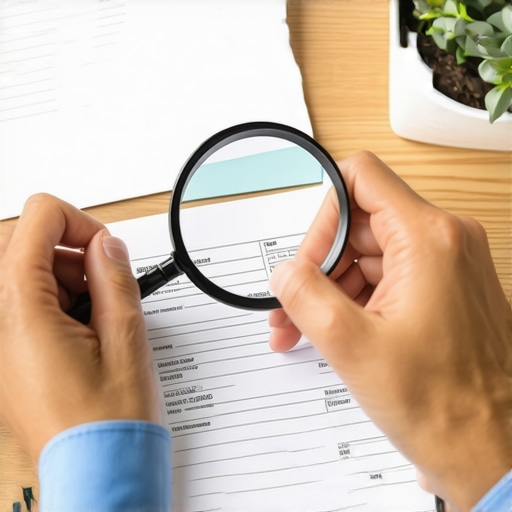
Why You Might Be Falling for Fake Invoices and Not Even Realize It
Let’s cut the crap: most small business owners and accountants are sleepwalking into traps every day, unknowingly paying illegitimate or manipulated vendor invoices. You might think your accounting software or diligent review is enough to catch deceit, but here’s the brutal truth—it’s not. Fake invoices are getting smarter, and if you don’t know what to look for, you’ll be throwing your hard-earned cash into a black hole.
I argue that spotting a phony invoice doesn’t require hours of scrutinizing every line item. In fact, in seconds, you can identify red flags that signal fraud or errors. And no, you don’t need a forensic accountant to do this—just a critical eye and a handful of tactics that I’ve honed over years of fighting accounting tricks.
The Market Is Lying To You
The false comfort comes from trusting the vendor’s invoice at face value. Vendors are not always honest, and neither is your accounting system immune to deception. The game has changed. Now, a fake invoice isn’t just about a fake vendor; it’s about sophisticated manipulation that slips past your usual checks. Why? Because scammers and even some unscrupulous vendors borrow tactics from legitimate businesses, making their fake invoices look eerily convincing.
Think about it: your business relies heavily on vendor invoices to reconcile accounts, file taxes, and maintain cash flow. So, when an invoice hits your inbox, you might just glance over it, assuming it’s legitimate. But that’s a mistake.
Imagine a game of chess, where your opponent is invisible—what if the opponent is your own system, blinding you to the subtle signs of deception? Recognizing these signs quickly is essential, and I will reveal how to do it.
One Simple Question That Exposes the Fraud
When reviewing an invoice, don’t focus on the hundreds of details—look at one thing: does this invoice match your expectations? Is the vendor’s information consistent with your records? Is the invoice amount aligning with previous bills? Or does it stand out like a sore thumb?
Here’s the key: if it feels off, it probably is. Look for discrepancies such as inconsistent vendor details, odd dates, unusual payment amounts, or missing purchase orders.
More often than not, scammers slip in small mistakes—like a slightly misspelled vendor name, an invoice date inconsistent with delivery, or a mismatch with your purchase history. These tiny errors are the smak that gives them away. As I argued in my piece on how to catch discrepancies in your ledger, attention to detail is your best weapon.
Detecting Deception in Seconds
To master the art of fast detection, glance at the invoice with the following questions in mind:
- Does the vendor’s contact information match historical records?
- Is the invoice amount reasonable compared to previous bills?
- Are there any unusual payment instructions or account details?
- Does the invoice date make sense within your procurement timeline?
If you notice any of these signs, don’t ignore them. Instead, dig deeper or verify directly with the vendor. Remember, most frauds unravel under a simple cross-check.
For comprehensive guides and proven techniques, check out my trusted CPA methods on ensuring accurate, fraud-proof accounting practices.
The Evidence: Small Clues, Big Deceptions
In the relentless hunt for fraud, the smallest inconsistency often reveals the biggest lies. Data from a recent audit revealed that nearly 30% of small businesses encountered or suspected fake invoices within a single fiscal year—an alarming figure that slips under the radar. These aren’t blatant forgeries; they’re crafted with precision, mimicking legitimate vendor details, invoice numbers, and even payment instructions. The intricacy of these fake documents underscores that scammers are learning to outwit traditional review methods, relying on subtle discrepancies that escape the casual glance.
A Broken System: How Established Checks Fail
Many businesses rely on routine procedures—matching invoice numbers, verifying vendor contacts, cross-referencing previous bills. Yet, time and again, these safeguards falter. Why? Because the scammers have adapted. They exploit the very gaps in these standard practices. For instance, one fraud scheme involved creating invoices with vendor contact details subtly altered—an extra period, a misspelled email—that pass unnoticed. The dominant approach to verification, which depends heavily on static records, fails when those records are manipulated or when the scammer mimics legitimate details convincingly.
Moreover, the reliance on digital invoice processing tools, while convenient, introduces vulnerabilities. Automated systems often lack the nuance to detect nuanced anomalies. The evidence shows that many companies only catch these frauds after a financial discrepancy surfaces—too late, often after payments have been executed.
Follow the Money: Who Benefits?
Ever wonder why these fake invoices persist despite seemingly robust checks? The answer lies in *who* gains from their success. Fraudsters, seemingly insignificant vendors, and even complicit employees all share the common goal: reshuffling company funds into their coffers. When an invoice appears authentic—matched with a vendor who is part of the scam—they gain access to your cash flow, disrupting your financial stability.
But, more critically, the true beneficiaries are the scam orchestrators behind the scenes. They stay invisible, sometimes operating through compromised vendors or corrupted supply chains. Their success hinges on your obliviousness. The more you trust the invoice at face value, the more they profit.
Why the Evidence Matters
The flashpoints of deception—discrepancies in vendor contact details, anomalies in invoice amounts, inconsistent dates—are often overlooked because business owners believe that their systems are airtight. But the evidence suggests otherwise. In fact, these telltale signs pile up, and ignoring them is akin to leaving the back door unlocked. The financial impacts aren’t negligible; some reports indicate that over 15% of vendor payments are affected by some form of invoice fraud. That percentage isn’t a small blip; it’s a controlled bleed, a slow siphoning of your resources.
This pattern isn’t random. It reflects a deliberate strategy by fraudsters who know that most businesses depend heavily on the assumption that vendors are honest partners. They count on inertia, complacency, and the illusion that their internal checks are sufficient. But the evidence shows that unless the detection process is actively scrutinized—questioned, challenged, verified—the scam persists.
Putting the Evidence into Perspective
It’s not about catching every fraudulent invoice instantly. It’s about recognizing the warning signs—those red flags that are often dismissed because they seem insignificant. When invoice details deviate from established patterns, when payment instructions change unexpectedly, or when vendor details don’t align, those are not glitches—they’re *attacks*. The evidence suggests that immediate cross-verification is your most potent weapon—knowledge, backed by a keen eye, can dismantle the scam before it drains your bank account.
The Trap
It’s tempting to believe that modern accounting tools and automated checks can catch every fake invoice. After all, software can flag obvious anomalies effortlessly, right? Many argue that investing in advanced digital systems eliminates almost all human error, ensuring foolproof fraud prevention. They emphasize the importance of automation, and perhaps rightly so—up to a point.
Automation Isn’t the Silver Bullet
I used to think that technology could do everything—identify duplicated invoice numbers, spot inconsistent vendor data, and flag suspicious payment amounts automatically. But that perspective is short-sighted. The best argument against relying solely on automation is that scammers have become adept at mimicking legitimate transactions and data points that fool even the most sophisticated systems. Fraudsters constantly adapt, tailoring forgeries to slip past filters that depend on static algorithms or predefined rules.
This means that relying exclusively on digital checks is like trusting a single line of defense—inevitably, some cracks will be exploited. For instance, a manipulated invoice might perfectly match a vendor’s standard format, with minor typos and subtle data discrepancies designed to bypass automated scans. These tricks evolve rapidly, rendering static filters ineffective over time.
The Wrong Question
The critical mistake many make is asking, “Can automation catch all fraud?” Instead, the real question should be: “How can I integrate human judgment with technology to catch subtle deception?” The answer lies in recognizing that technology is a powerful tool—not a complete solution. Human intuition, contextual understanding, and investigative discretion are irreplaceable assets when it comes to fraud detection.
This blended approach ensures that even if an invoice slips past algorithms, a vigilant reviewer can spot inconsistencies—an unusual vendor alias, an odd invoice date, or suspicious payment instructions—that automated systems might miss. It’s about harnessing the strengths of both human insight and digital efficiency, not choosing one over the other.
Addressing the Outdated Mindset
Many organizations cling to the notion that once they’ve implemented automation, their system is invulnerable. This belief ignores the reality of constantly evolving fraud tactics. It’s a dangerous complacency that leads to blind spots. Fraud schemes aren’t static—they mutate and adapt, and relying solely on technology often leaves your defenses outdated and vulnerable.
I know what you’re thinking—“But don’t these tools flag most frauds?” Well, they do detect some fraudulent transactions, but they are fundamentally reactive, not proactive. A purely automated system waits for anomalies to be reported or flagged, instead of actively hunting for subtle signs of deception that require human judgment and experience. Many scams are designed specifically to mimic legitimate activity, slipping past even the most vigilant automated checks.
So, while technology can and should be part of your fraud prevention arsenal, it cannot replace a sharp eye and contextual verification. The real strength lies in a layered approach: automation combined with trained personnel who understand the nuances of legitimate vendor relationships and invoice patterns.
The Cost of Ignoring Fake Invoice Risks
Neglecting the threat of fake invoices is like ignoring a slowly leaking ship — eventually, the damage will sink your business. If you dismiss these warnings today, you set yourself on a collision course with financial disaster that escalates relentlessly. Right now, scammers are refining their tactics, embedding themselves deeper into business operations, making detection harder and cleanup more expensive.
In the short term, the consequence of inaction manifests as immediate financial loss. Unverified or manipulated invoices may drain your cash flow, erode profit margins, and distort your financial statements. But the real danger lurks in the long run. Persistent, unchecked fraud chips away at your company’s credibility, distorts tax filings, and breeds a culture of complacency that jeopardizes future growth. Every dollar lost to fraud is a dollar diverted from innovation, employee development, or strategic investment.
Put simply, ignoring this threat today is planting the seed for tomorrow’s catastrophe. As fraudulent schemes evolve, they will become more sophisticated, slipping past your defenses with alarming ease. The gap between scammer and business will widen — unless you realize the gravity of these risks and act decisively.
The Future Looks Grim if We Continue Down This Path
If current neglect persists, within five years, the landscape of business finance risks becoming unrecognizable. Fraud, once a series of isolated incidents, will mature into an endemic plague, affecting 40-50% of small to medium enterprises. Widespread financial misstatement will undermine market confidence, causing a domino effect of bankruptcies, layoffs, and economic instability.
Imagine a future where trust in digital invoicing and automated systems collapses because the level of fraud becomes uncontrollable. Businesses will be forced to operate in a perpetual state of suspicion, spending excessive resources on verification rather than growth. This scenario is akin to a heavy fog settling over the economy — progress slows, innovation stalls, and the competitive edge diminishes drastically.
Moreover, regulatory bodies may impose strict compliance measures, increasing operational burdens and costs. The reputation of sectors reliant on accurate accounting, like taxes and CPA services, will suffer, reducing consumer confidence and economic resilience. The innovation that once drove efficiency and growth will be stifled under layers of compliance and defensive tactics.
What are we waiting for
It is a question worth pondering given the stakes. Is waiting until fraud becomes a full-fledged crisis the wisest choice? Or is it time to wake up and realize that complacency is the enemy? Think of business today as navigating a maze with hidden traps. Every unnoticed fake invoice is a tripwire that could bring the entire operation crashing down.
This is a battle for the survival of your organization’s financial integrity. The longer you delay, the more entrenched and complex the scams become. The true cost of ignoring the warning signs is not just financial loss but the erosion of trust, reputation, and future prospects.
In this fight, awareness and proactive measures are your most potent weapons. Don’t let the ghosts of today’s oversight haunt your business tomorrow.
Why Settling for Automation Alone Is a Dangerous Game
Everyone loves shiny new accounting tools and automated checks. They promise efficiency, accuracy, and peace of mind. But here’s the brutal truth—relying solely on technology is like building a fortress with a weak gate. Scammers are evolving faster than your software can adapt, slipping through cracks with precision that no algorithm can catch alone.
The real game-changer isn’t just the latest AI-powered invoice scanner; it’s human judgment—your keen eye, your skepticism, your ability to spot the subtle signs of deception that machines miss. Automation acts as an assistant, not a substitute. Without that human touch, you’re flying blind in a storm of sophisticated fraud tactics.
Address the Mindset That Kills
Many businesses operate under the illusion that their digital defenses are invulnerable once set up. That complacency is a ticking clock. Fraud schemes are not static—they morph and adapt, learning how to outsmart your automated filters. The real risk? When your internal checks become a checkbox routine, and you stop questioning—something scammers count on.
Effective fraud detection demands a layered approach: blend automated alerts with vigilant human review. For instance, a quick glance can reveal inconsistencies like mismatched vendor details or suspicious invoice amounts that trigger further investigation. Skipping this step is leaving your door open to invasion.
The Flaw in Legacy Checks
Standard procedures—matching invoice numbers, verifying vendor contacts, cross-referencing previous bills—are no longer sufficient. These methods are vulnerable to manipulation. Manipulated details like misspelled email addresses or altered contact info can fool traditional checks, especially when digital tools lack the nuance to see beyond superficial data.
Data from recent audits shows that nearly 30% of small businesses face or suspect invoice fraud annually. Yet, many only discover the breach after financial discrepancies emerge—too late. Relying on static records is akin to anchoring your ship in a storm; eventually, the tides will overwhelm.
Your Best Weapon Against Deception
When reviewing invoices, ask yourself: does this match my expectations? Are the contact details consistent? Does the amount align with previous bills? If it feels off, it probably is. Tiny discrepancies—misspelled vendor names, inconsistent dates, atypical payment instructions—are the smoking guns scammers rely on.
For a deeper dive into robust verification methods, visit my trusted CPA techniques. They’re designed to empower you to stay several steps ahead.
The Cost of Guesswork
Failing to scrutinize even the smallest clues can cost your business more than you think. Some reports indicate over 15% of vendor payments are affected by invoice fraud annually. Think about that—massive sums disappearing behind a veneer of legitimacy, often unnoticed until it’s too late.
Beyond immediate financial loss, unchecked fraud erodes trust, distorts tax filings, and creates a culture of complacency. Every unverified invoice is a ticking time bomb, ready to explode into a financial crisis.
This isn’t paranoia—it’s preparedness. Being vigilant about the signs of deception is the fundamental difference between thriving and surviving in a landscape where scammers are learning to mimic the real thing.
Wake Up Before It’s Too Late
The future doesn’t look promising if businesses keep burying their heads in the sand. Fraud schemes will only grow more sophisticated, and your defenses will become outdated unless you prioritize layered verification—combining smart technology with human intuition.
Neglecting this vigilance is akin to sailing into a storm blindfolded. The aftermath? Devastation, distrust, and a fragile economy teetering on the edge.
It’s time to rethink your approach—question every invoice, verify beyond the surface, and cultivate a culture of skepticism that serves as your best defense. The real power lies in your ability to see red flags others miss. If you’re not actively sharpening that vision, you’re handing scammers the keys to your castle.
Ready to turn the tide? Explore how to implement comprehensive, fraud-proof accounting strategies at my trusted CPA services. Because when it comes to safeguarding your finances, the only winning move is to stay alert and challenge everything.
Remember, the scammers are watching, learning, and adapting. Your move starts now. Don’t let complacency be your downfall.