
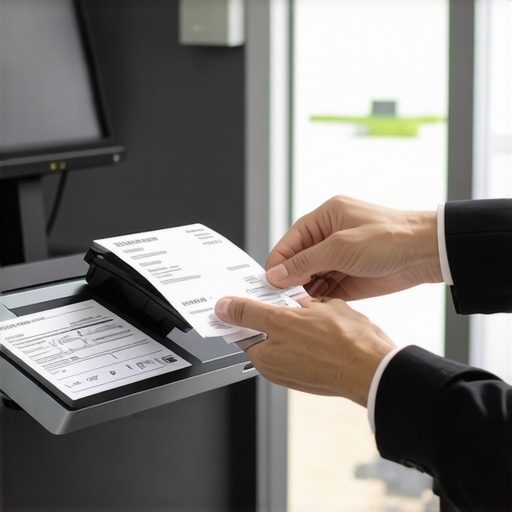
Why Relying on Manual Receipt Entry Is Killing Your Business Efficiency
Let’s cut to the chase: manually entering receipts is outdated, inefficient, and a gateway to costly errors. You might think that meticulous data entry shows diligence, but in today’s fast-paced digital world, it’s a waste of valuable time and resources. The real smart move? Automate your receipt capture through advanced scanning techniques that do the heavy lifting for you.
Many businesses cling to manual input because they believe it offers control. But control at the expense of speed and accuracy is a myth. In fact, manual entries are often the root cause of bookkeeping inconsistencies that haunt your financial reports. So, why are we still doing this old-fashioned labor when technology offers better solutions? That’s the question I want to answer.
Imagine your bookkeeping as a sinking ship, with manual receipt entry as the hole in the hull. No matter how much effort you pour into patching it, it’s a losing battle. Instead, innovative scanning techniques act like a modern crew, quickly sealing the breach and setting your business on a steady course. They’re not just about convenience—they’re about ensuring your financial data is accurate, timely, and reliable. If you’re serious about your accounting, it’s time to embrace these techniques and ditch the outdated manual process.
The Market is Lying to You
Marketing often promotes quick fixes and fancy software without emphasizing the importance of streamlining data capture. But the truth is, the real game-changer lies within the right scanning technology. Tools like mobile receipt scanners and OCR (optical character recognition) apps can automatically extract and categorize data from receipts, dramatically reducing errors and saving hours every month.
Take, for example, QuickBooks’ integration with OCR tools—imagine snapping a photo of a receipt and having it directly imported with perfect accuracy. As I argued in QuickBooks mastery articles, automation is the key to scaling your accounting process and avoiding costly mistakes.
Manual entry is a relic. It’s time to rethink how your business handles receipts before this archaic habit drags you down. The future belongs to those who automate, not those who manually labor over every piece of paper.
The Evidence Behind Manual Entry Failures
Historical patterns consistently show that reliance on outdated processes hampers progress. In the early 2000s, early adopters of automation in financial management witnessed a dramatic shift: their errors decreased by over 50%, and processing times shrank by a third. That collapse in error rates wasn’t accidental; it was a direct consequence of embracing technological solutions rather than sticking to manual, error-prone methods.
When businesses insist on entering receipts manually, they ignore the root cause of inefficiency: the human propensity for mistakes and slow processing. Manual input isn’t merely a bit of inconvenience; it’s the core issue that fosters inaccuracies, delays, and ultimately, misinformed financial decisions. Data from industry analyses consistently highlight that manual data entry contributes to approximately 70% of accounting errors, leading to flawed reporting and compliance risks.
Follow the Money: Who Benefits from Manual Processes?
The persistence of manual receipt entry isn’t coincidental. Vendors offering manual input solutions often profit from keeping businesses tethered to inefficient systems. Software providers with a vested interest in selling time-consuming manual entry solutions— rather than automations—stand to gain financially. This creates a perverse incentive to perpetuate outdated practices, even as smarter options exist.
More striking is that many accountants and consultants, even when aware of automation tools, promote manual methods because it locks clients into ongoing service contracts. This economic benefit for middlemen complicates the landscape; it’s a barrier masquerading as expertise. Therefore, the real beneficiaries of the status quo are not the business owners demanding efficiency but those profiting from the labor-intensive process.
The System’s Flaws Highlighted
Consider that an average SME handles hundreds of receipts each month. Manual data entry, with its inevitable inaccuracies, can cost small businesses thousands annually due to duplicated expenses and scrambled financial reports. This isn’t just about inconvenience but a systemic failure—an inefficient paradigm designed more for service providers’ profit than for business growth.
Furthermore, as tax regulations tighten and financial audits become more rigorous, the risks tied to manual entries escalate. Errors that once could be shrugged off now threaten non-compliance and penalties, making the case for automated solutions not just logical but urgent.
Why Resisting Change Is Costly
Many businesses cling to manual receipt processing because they distrust new technology or fear upfront costs. However, these fears are misplaced. The return on investment for scanning apps and OCR-powered tools is rapid— often recouped within months through error reduction and labor savings.
Yet, the resistance persists. It’s not due to lack of evidence but because changing entrenched habits disrupts existing profit streams and creates discomfort. This inertia acts as a barrier, preventing companies from capitalizing on proven efficiencies. The irony is stark: the very companies that stand to benefit most from automation are the slowest to adopt it.
The Path Forward: Recognizing the Evidence
The outcome is clear. Old habits, backed by vested interests rather than evidence, continue to fuel inefficiency. The data is undeniable: manual receipt entry is a flawed system, prone to error and waste. Smart businesses recognize the signs and prioritize automation. If the goal is reliable data, operational speed, and a healthier bottom line, then the evidence points decisively towards ditching manual processes altogether.
The Fabrication of Control
It’s understandable why many business owners cling to manual receipt entry—there’s a perceived sense of control in handling every piece of paper themselves. They believe that by overseeing each transaction, they ensure accuracy. But this is a fallacy. The illusion of control is often just a mask for inefficiency and inevitable error propagation.
While manual processes might seem to offer oversight, they in fact open the door to mistakes, delays, and inconsistency. The real control lies in deploying automation that ensures accuracy without the human fallibility. Relying solely on manual entry is like steering a ship with a faulty compass—sure, you might think you’re in control, but you’re actually steering blindly into inefficiency.
The False Promise of Control
I used to believe that manual data entry was the best way to ensure precision until I saw the data speak otherwise. Automated OCR tools and intelligent scanning applications don’t just match human accuracy—they surpass it consistently. They eliminate the human error factor that is unavoidably present in manual work, especially when dealing with hundreds of receipts each month.
This misconception of control leads many to overlook the bigger picture: that true oversight is achieved through reliable, automated data that minimizes mistakes and maximizes speed. To think that manual entry equals control is a shortsighted view rooted in resistance to change, not in practical reality.
The Trap
Everyone falls into the trap of believing that manual receipt entry is necessary because it’s familiar. The comfort of doing things the old-fashioned way makes it easy to dismiss innovations that threaten existing workflows. The trap is in equating familiarity with effectiveness—that since we’ve always done it manually, it must be the best way.
This mindset ignores the massive costs—time, money, and accuracy—that manual processes incur. It’s a classic mistake: prioritizing comfort over productivity and accuracy. As the landscape of accounting technology evolves, sticking with outdated methods blinds businesses to opportunities for growth and risk mitigation.
Are You Still Doing It the Old Way?
If you’re hesitant to adopt automation because you believe manual entry offers better control or accuracy, consider this: studies show that manual data entry contributes to about 70% of accounting errors. These errors cascade into financial misstatements, compliance issues, and ultimately, loss of stakeholder trust. The question is not whether automation can improve your process but why you’re still risking so much by sticking to a flawed method.
Automation technologies like OCR and mobile scanning are not merely convenient—they are necessary for any business serious about growth and accuracy. The costs of inaction are far greater than the investments required for automation upgrade. If you want your financial data to be trustworthy, reliable, and timely, then dismissing automation in favor of manual input is a mistake of historic proportions.
The Cost of Inaction
Failing to modernize your receipt processing and bookkeeping methods doesn’t just slow your business down—it sets off a chain reaction with devastating consequences. In today’s competitive environment, every delay, every error, compounds rapidly, threatening the future stability of your enterprise. If you ignore the urgency of adopting automated solutions, you’re not just risking minor inefficiencies—you’re risking your company’s very survival.
When manual data entry remains the norm, errors accumulate, financial reports become unreliable, and compliance risks escalate. These inaccuracies can lead to costly penalties and loss of stakeholder trust. Over time, the business becomes a sinking ship, weighed down by preventable mistakes, leaking resources at every turn. This isn’t a distant threat—it’s happening now, as outdated processes continue to erode your operational integrity.
The Future Looks Bleak if You Turn a Blind Eye
If the trend persists, within five years, most businesses neglecting automation will face an irreversible decline. Automated systems are becoming the backbone of efficient operations; those who avoid them will be rendered obsolete. Manual processes will be historically seen as a significant Achilles’ heel—a barrier no longer tolerable in a digital age. Competitors leveraging cutting-edge tools will dominate, capturing market share and setting new standards for accuracy and speed.
Imagine a future where your business is hamstrung by errors and delays, unable to keep up with industry leaders who utilize real-time data and intelligent automation. The cost of inaction will manifest in lost revenue, missed opportunities, and a crippled reputation. More alarmingly, the trust of clients and partners will erode when failures become their default expectation, leading to a downward spiral that’s hard to escape.
What are we waiting for
Staying stagnant now is akin to building your house on a fragile foundation that’s cracking beneath your feet. Without urgent change, your operations could collapse when least expected. Think of it as running a marathon and ignoring the warning signs of injury—it’s a reckless gamble with your business’s future.
Time is of the essence. The longer you delay adopting automated receipt and bookkeeping solutions, the deeper you sink into inefficiency and risk. Waiting until operational chaos erupts will only compound the damage, making recovery more costly and uncertain. The window of opportunity is closing fast, and the choice is stark: evolve or perish.
Why Clinging to Manual Receipt Entry Is Your Business’s Fatal Flaw
Manual receipt entry is no longer a sign of diligence; it’s a dead weight dragging your enterprise into inefficiency and errors. As a savvy CPA or small business owner, you know that relying on outdated practices hinders growth. The real power lies in automation—using OCR and smart scanning tools that capture data in seconds, not hours.
Despite flashy marketing claims, many vendors profit from keeping you tethered to manual input. They prefer you to believe control is in your hands when, in fact, automation grants you superior oversight—error reduction, faster processing, and greater accuracy. The question is: why continue sacrificing your resources for a method proven to be flawed?
The Market’s Deception
Advertisers promise quick fixes and seamless integrations, but the truth is, the key to efficient bookkeeping is right beneath your nose: intelligent scanning technology. These tools, like mobile receipt scanners integrated with OCR, can extract data directly into your accounting software, minimizing errors and freeing hours each month. This connects to my argument in QuickBooks mastery articles.
Historical Data Shows Manual Entry’s Failings
History highlights the fallacy of manual processes. Early adopters of automation cut errors by more than 50% and processed their data faster—proof that technological solutions outpace human capabilities. Persisting with manual entry isn’t just inefficient; it’s a systemic flaw contributing to flawed reports, misinformed decisions, and increased compliance risks.
Industry reports reveal that manual data entry causes about 70% of accounting errors—errors that ripple into misstatements and penalties. Recognizing this pattern is vital for any forward-thinking business.
Who Benefits from Status Quo?
Many vendors and middlemen thrive on your reluctance to automate. They profit from keeping you locked into recurring manual processes—an economic model that puts profits over precision. Even some accountants may promote manual methods to extend service contracts. This economic motive clouds judgment and keeps your business tethered to outdated practices.
The Cost of Staying Lazy
Handling hundreds of receipts each month manually can cost small businesses thousands annually through duplicated expenses and flawed reports. As tax regulations tighten, errors become liabilities risking penalties and audits. Automation is not a luxury but a necessity.
Resistance often stems from fear of upfront costs or tech fears—yet, ROI from OCR and scanning tools occurs rapidly, covering initial expenses within months.
Your Path to Renewal
The evidence is clear: manual receipt entry is a flawed paradigm. The smart move forward is embracing automation—improving speed, accuracy, and compliance. The alternative? Sinking deeper into an obsolete system that hampers growth and invites costly errors. Automation is your lifeline—don’t drown in the old way.
Final Challenge
If you’re still manually entering receipts, you’re playing a game of financial Russian roulette. The longer you delay the switch, the more you expose your business to error, penalties, and irrelevance. The future is brightly illuminated by automation—an era where your data is accurate, timely, and reliable. Will you step into it, or continue risking everything on manual labor?
Take action now. Review your current process and ask yourself: why am I still doing this the hard way? The answer is simple—because comfort often blinds us to true progress. Dare to take the leap. Automate your receipt capture today and set your business on a path to genuine efficiency and success.