
Why Staying Underprepared for Tax Time Is a Strategic Failure
If you think taxes are just a once-a-year hassle to brace for, think again. Most business owners believe April sneaks up on them only because they haven’t prepared properly. The truth is, this pattern of neglect is a deliberate choice rooted in false comfort—until it crashes down on you like a ton of unpaid bills. You might think you can wing it with a checkbook or a last-minute spreadsheet, but that’s the equivalent of playing chess with a blindfold.
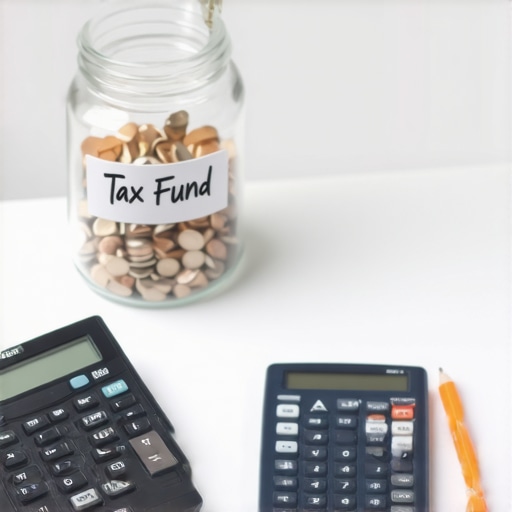
What if I told you there’s a simple, proven system that guarantees you’re never caught short again in April—without stress, panic, or resorting to credit cards? Introducing the concept of a ‘Tax Sinking Fund,’ a dedicated savings pot that acts as your financial security blanket during tax season. This isn’t just about saving; it’s about strategic, disciplined allocation of your income to ensure compliance and peace of mind.
Many business owners toss money into their general accounts, hoping it will cover tax obligations when the due date arrives. That approach is as ineffective as trying to bail out a sinking ship with a teaspoon. Instead, I argue, you need to treat your taxes like a fixed expense—like payroll or rent—and plan for it accordingly. If you’re not already doing this, you’re gambling with your company’s future. Ready to take control? Let’s dive into how to establish a ‘Tax Sinking Fund’ that works for you, not against you.
The Market Is Lying to You
Many financial advisors will sell you on aggressive investing or complex tax shelters, but the real game starts with the basics. Setting aside a portion of every dollar earned, specifically for taxes, is the most straightforward and effective strategy. Think of it as a game of chess—anticipating your opponent’s move and countering before it lands. Your opponent? The tax man, ready to claim what’s due if you’re not vigilant.
Consider this: if you allocate just 25% of your profit margin to a separate account, you’re creating an armor against April’s chaos. Don’t wait for your accountant to remind you about quarterly estimates or for the IRS to knock on your door. Instead, be proactive and disciplined. As I argued in my article on simplifying tax filing, established routines turn tax season from a nightmare into a manageable task.
Stop Doing This After Every Tax Season
Many owners think that once taxes are filed, the job is done. Wrong. The real work begins with maintaining current, accurate records and consistently contributing to your sinking fund. Without this discipline, you’re just fooling yourself into believing you’re ahead, only to be blindsided every April. To get ahead, you need to set up a dedicated account—an actual separate bank account—and automate transfers into it with each paycheck or profit realization. This way, you avoid the trap of thinking there’s ‘plenty of time.’
As I explained in my piece on cash flow forecasting, real control comes from consistent, disciplined cash management. When you have regular deposits earmarked for taxes, the stressful scramble of April evaporates, replaced by peace of mind and predictable cash flows.
The Evidence Behind Underpreparedness
Historical financial crises reveal a pattern: businesses that neglect structured tax planning face devastating consequences when deadlines hit. Take the 2008 recession; countless firms ignored early warning signs, failed to allocate funds, and ended up in bankruptcy. This isn’t coincidence—it’s a clear illustration that the problem isn’t merely procrastination but a deeper flaw in financial management. The failure to view taxes as a predictable expense fuels a cycle where emergencies become inevitable.
Analyzing that pattern exposes a critical truth: the root cause isn’t just poor planning but an ingrained mindset that taxes are secondary to daily operations. Business owners often believe profits are theirs to use freely until tax bills arrive, only then realizing they’re unprepared. This false perception creates a gap—one that is exploited by the complexity of tax laws and the unpredictability of cash flows. The evidence suggests that the real issue is *misguided priorities*—treating tax obligations as an afterthought rather than a fixed, manageable expense.
TheThe Trap of Underestimating Tax Preparation
It’s easy to understand why many business owners cling to the belief that tax season is just a chore to survive, not a reflection of diligent planning. The narrative they buy into is that as long as they’re somewhat organized, they’ll muddle through, avoiding the hassle until the last minute. The best argument against this mindset is that *a last-minute approach to taxes is inherently risky and costly*. This shortsightedness can lead to penalties, interest, and unnecessary stress.
Yet, that perspective ignores the deeper issues at play. Rushing to compile documents, scramble to pay owed taxes, or hide from the reality of a looming deadline doesn’t prove resilience; it reveals poor foresight. It’s akin to ignoring the signs of a storm brewing because you prefer the calm—only to be caught unprepared when it hits.
The Wrong Question
Many people ask,
The Cost of Inaction
Failing to establish a disciplined approach to tax preparation is not just a minor oversight—it’s a ticking time bomb that threatens your financial stability. When you neglect proper planning, you’re setting yourself up for disastrous consequences that escalate over time. Without a dedicated ‘Tax Sinking Fund’ and consistent financial discipline, small setbacks become insurmountable crises, leading to penalties, interest, and even bankruptcy. The urgency lies in understanding that each neglected tax season accumulates risk, making the next one even more perilous.
Imagine a domino chain, where each unprepared tax deadline causes another domino to fall. One missed payment or underestimated liability topples into unpaid taxes, levies, and irrevocable damage to your credit and reputation. This chain reaction doesn’t just harm your business; it erodes your personal financial security, sapping resources needed for growth and innovation. If this pattern continues unchecked, the result in five years will resemble a fractured empire—financially depleted, legally entangled, and devoid of resilience.
What are we waiting for?
It’s as if you’re navigating a ship through treacherous waters without a compass or charts, relying solely on luck. Ignoring the importance of proactive tax planning is ignoring an essential navigational tool—placing your entire voyage at risk. The longer you delay, the more likely you are to crash onto unseen rocks, losing everything you’ve worked for. This isn’t a hypothetical scenario; it’s a future that awaits those who dismiss the warning signs today.
The reality is stark: the opportunity to prevent these devastating outcomes exists now. Waiting only increases the price of recovery, draining time, money, and peace of mind. For every business owner standing at this crossroads, the question isn’t just about taxes—it’s about your very future.
The Final Verdict
If you’re not actively building a dedicated tax reserve and disciplined financial habits, you’re gambling with your business’s future—and losing.
The Twist
The real threat isn’t just unpaid taxes or penalties; it’s the silent erosion of your peace of mind and entrepreneurial freedom, all because you refuse to see taxes as a strategic investment, not an inconvenience.
Your Move
Enough with the last-minute scramble and false complacency. It’s time to establish your Tax Sinking Fund, automate your savings, and adopt disciplined cash management. Only by proactively controlling your finances can you defend against the inevitable waves of tax season chaos. The question is: are you ready to stop playing catch-up and start leading your financial destiny? For tailored guidance, reach out and take the first step toward financial mastery.