
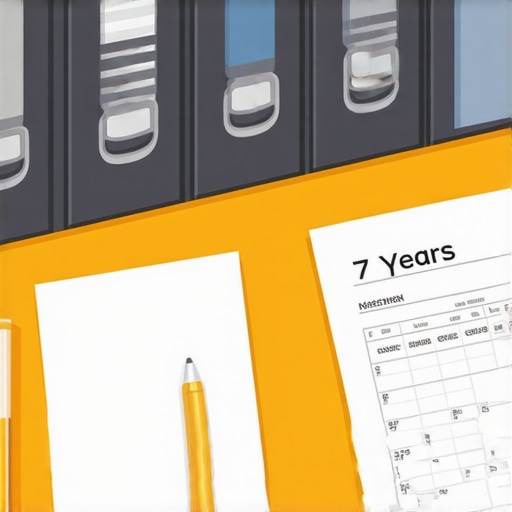
Why Clinging to Every Paper Is a Costly Mistake
If you think hoarding every receipt, invoice, and bank statement is smart tax practice, think again. The over-cautious approach to document retention is not only outdated but also a drain on your time and storage space. You might believe that keeping everything is a safeguard against audits, but I argue that this mentality does more harm than good. There’s a reason the IRS sets specific guidelines—and it’s time you knew what these are.
The Hard Truth About Recordkeeping
Most small business owners and freelancers mistake quantity for quality when it comes to bookkeeping. They cling to piles of paper and digital files, hoping that more means better. But in reality, the IRS only requires certain records to be kept for specific periods. Holding on to everything beyond those periods is a classic case of inefficient chaos, leading to clutter and real risk of missing the forest for the trees. Proper document management isn’t about endless retention; it’s about strategic retention.
Stop Hoarding and Start Organizing
Let me make one thing clear: knowing what to keep and what to toss can save you a fortune in storage costs and headaches. The IRS recommends keeping tax-related documents for either 3 or 7 years, depending on the type of document. This period is your window to defend yourself if the tax authorities come knocking. Beyond that, most documents lose their relevance. I’ve seen businesses drown in outdated records, making the entire system so unmanageable that it’s impossible to find what’s needed when it counts.
If you want to streamline your accounting, I advise you to audit your records regularly. Digital tools like QuickBooks can help you categorize and store documents efficiently, but only if you’re selective. For instance, keep your final tax return, supporting schedules, and W-2s for at least 7 years. But receipts for small purchases, bank statements, and invoices related to expenses over 3 years can generally be safely discarded, provided you have other supporting documents. For more insights, check out here.
The Key to Smarter Record-keeping
Imagine managing your records like a game of chess: strategic, precise, and with a clear plan. You don’t play resourcefully by moving pieces randomly; you think ahead and focus on what’s essential. The same applies to keeping documents. Sorting vital from trivial projections is critical, especially during tax season or an IRS audit. The truth is, most audit-related issues stem from poor recordkeeping habits—yet many still cling to the myth that more paper equals more security.
Having a solid document retention policy tailored to your business’s specifics is essential. You should understand which records are required, for how long, and when you can confidently toss them without risking penalties. Remember, tax laws are always evolving, but the core retention periods remain consistent. If you want to optimize your bookkeeping and avoid drowning in unnecessary files, I highly recommend exploring here.
The Evidence Against Hoarding Financial Documents
History reveals that excessive recordkeeping can be more detrimental than beneficial. During the 1980s, many companies hoarded volumes of paper, believing it would shield them from audits. However, this overload led to chaos, misplaced documents, and ultimately heightened scrutiny from tax authorities. Today, we see a similar pattern: when businesses hold onto every receipt, they create a labyrinth of outdated files that obscure what truly matters. This approach isn’t just inefficient; it’s a direct pathway to financial vulnerability.
The Root Cause: Misplaced Security in Quantity
The problem isn’t the necessity of recordkeeping—it’s the *illusion* that more is automatically better. Many assume that retaining every document indefinitely equates to security. That’s a fallacy. The real issue lies in *misunderstanding* what the tax law mandates. The IRS isn’t interested in exhaustive archives; it requires *strategic* document retention—holding only what’s necessary for specific periods. This misconception about security fuels the obsession with keeping every scrap, leaving businesses drowning in paper and digital clutter.
Following the Money: Who Benefits from the Hoarding?
Unsurprisingly, those who profit from endless storage services and outdated filing systems have a vested interest in perpetuating the myth. Storage companies, archival service providers, and some accounting consultants benefit financially when businesses believe they must retain everything. They promote a culture of fear—claiming that any document discarded is a risk, all while lining their pockets. This profit motive corrupts the fundamental purpose of recordkeeping, skewing priorities from efficiency and compliance to fear-driven hoarding.
The Financial Fallouts of Clinging Too Long
The financial consequences are stark. Over-retention leads to increased storage costs, both in physical space and digital infrastructure. But the real damage manifests in missed opportunities—disorganized records slow down audits, complicate tax filings, and heighten the risk of errors. A single misplaced document can trigger months of back-and-forth with the IRS, costing businesses thousands in penalties and lost time. The so-called safety net of hoarding ultimately becomes a financial trap, exposing businesses to unnecessary risks.
Deconstructing the Myth: Strategy Over Accumulation
Effective recordkeeping hinges on *strategy*, not volume. The IRS guidelines clearly specify retention periods—3 to 7 years—yet many remain in the dark, collecting endless files long after their relevance expires. This is a shift that must be embraced: focus on what’s legally required and dispose of the rest. Digital tools like QuickBooks aren’t just for bookkeeping; they are instruments to organize, categorize, and flag essential documents—ensuring efficiency instead of chaos.
Failing to adapt to these principles isn’t just inefficient; it’s reckless. The misconception that more documents mean better protection has blinded countless businesses to the risks of excessive retention. When the music stops and audits begin, the ones with cluttered, outdated records will find themselves at a disadvantage. The real safeguard is selective, deliberate retention—aligned with legal standards, not fear or profit motives.
The Trap of Excessive Recordkeeping
It’s understandable why many believe that holding onto every financial document provides an ironclad shield against audits. The logic seems straightforward: more records equal less risk. After all, wouldn’t comprehensive documentation make your case stronger if the tax authorities come knocking? However, this line of thinking is not only flawed but actively counterproductive.
The Wrong Question Is Quantity, Not Quality
I used to believe that preserving every receipt, invoice, and statement was the safest route. The prevailing assumption was that an extensive archive would cover all bases. Yet, this minefield of clutter often complicates matters rather than simplifies them. The real question is not how much you keep but how strategically you manage your records—focusing on what’s legally necessary and pertinent.
By fixating on quantity, you risk drowning in outdated, irrelevant files that increase storage costs and impede efficient retrieval when it matters most. This approach cultivates an illusion of security that can lead to financial and operational chaos, ultimately undermining the very stability it aims to ensure.
Don’t Be Fooled Into Thinking More Is Better
It’s easy to see why businesses cling to the notion that more documentation equals greater safety. The fear of missing a potential deduction or facing penalties might push them into perpetual accumulation. Yet, this mindset ignores the principles of smart record management endorsed by tax authorities.
Tax laws specify retention periods—typically 3 to 7 years—based on the type of document and circumstances. Once those windows expire, holding onto old records becomes a liability rather than an asset. Clinging to outdated files clutter your storage, slow down audits, and obscure the critical information that could save or cost you thousands.
Let me clarify: effective recordkeeping isn’t about endless preservation; it’s about relevance and compliance. Focusing on current, necessary documents allows you to streamline operations and reduce risks, instead of being buried under obsolete information.
Is Your Strategy Just a Fad?
One misconception is that comprehensive archival systems are inherently secure. This myth fosters a false sense of safety. The reality is that a well-organized, focused document retention policy is far more effective than massive, indiscriminate filing. Rigidly hoarding everything can lead to a false feeling of protection that distracts from genuine risk management practices.
Effective strategies involve knowing what records to keep, for how long, and when to discard. Digital tools like QuickBooks facilitate this process by allowing categorization and automated reminders, making strategic retention feasible and practical.
Why Strategy Trumps Accumulation
The key is to adopt a disciplined approach that aligns with legal standards. This means regularly reviewing your files, disposing of what no longer serves a purpose, and maintaining only those documents essential for compliance, audits, or potential disputes. This not only reduces clutter but enhances your ability to respond swiftly and accurately during tax filing season or audits.
Remember, the most valuable recordkeeping isn’t about overwhelming quantity but about strategic relevance. That focus minimizes exposure to penalties, cuts storage costs, and ensures that your business remains agile and compliant.
So next time you’re tempted to save every piece of paper, ask yourself: does this document serve a current purpose? If not, it’s time to let it go, and trust that your compliance standards are better served by quality over quantity.
${PostImagePlaceholdersEnum.ImagePlaceholderC}
The Cost of Inaction
If businesses continue to disregard the importance of strategic recordkeeping, they risk plunging into chaos—and the consequences are dire. The longer outdated and excessive documentation accumulates, the more vulnerable they become to audits, penalties, and operational paralysis. In five years, this neglect could transform the business landscape into a minefield where compliance is a gamble, and financial stability hangs by a thread.
A Choice to Make Now
Failing to adapt now sets off a chain reaction: mounting clutter leads to misplaced documents, which results in delayed reports and increased costs. This disorganized environment fosters an illusion of security while hiding vulnerabilities beneath layers of irrelevant data. As regulations evolve, the trap deepens, leaving businesses unprepared and exposed—stumbling closer to collapse with each passing day.
The Point of No Return
Imagine a ship sailing into treacherous waters without a clear map or navigation tools—eventually, it will run aground. Similarly, neglecting strategic record management is steering your business toward inevitable wreckage. The cost is not just financial but also reputational and operational. When the crisis hits, recovery becomes more expensive, time-consuming, and uncertain. The question is, what are we waiting for?
${PostImagePlaceholdersEnum.ImagePlaceholderD}
Your Move
The myth that more paperwork equals better protection is a dangerous illusion. Being strategic with your records isn’t just smart—it’s essential. Discard outdated documents once your retention period expires, freeing yourself from chaos and unnecessary costs. Digital tools like QuickBooks can aid this process, but only if you prioritize quality over quantity. Challenging yourself to rethink your approach now can save thousands and protect your peace of mind.
The Bottom Line
Clinging to every paper and digital file doesn’t shield you from audits—it exposes your business to risk. Smart, strategic retention aligned with IRS guidelines transforms your bookkeeping from a cluttered nightmare into a powerful asset. Remember, your financial health depends on what you keep, not what you hoard. If you’re ready to redefine your recordkeeping strategy, explore here to see how expert CPA services can guide you toward clarity.
The Final Thought
Your business’s future hinges on your willingness to let go of the unnecessary. The false security of endless records only delays the inevitable—an audit, a penalty, or operational paralysis. Take control today, streamline your documentation, and embrace the power of strategic retention. Don’t let outdated practices steer you into disaster. The time to act is now—because a clearer, leaner, more compliant business begins with the courage to face what truly matters.