Are You Ready to Conquer 2024’s Tax Terrain?
Picture this: it’s tax season, and you’re sweating bullets over the endless paperwork, confusing deductions, and looming deadlines. But what if I told you that with the right strategies, you could turn this dreaded season into a victory lap? Welcome to the ultimate guide on CPA and tax filing tactics for 2024, brought to you by AcurateAccounting—the trusted partner for savvy taxpayers and entrepreneurs alike.
Why 2024 Is the Year to Rethink Your Tax Strategy
Tax laws are like weather patterns—constantly changing, sometimes unpredictable, but always manageable with the right gear. The IRS has rolled out some fresh rules for 2024, emphasizing digital compliance and new deductions. If you’re still relying on last year’s playbook, you might be missing out on valuable savings. It’s time for a strategic overhaul—think of it as upgrading your financial armor.
CPA Secrets That Make Tax Filing a Breeze
First, let’s talk about the secret weapons in every successful taxpayer’s arsenal—professional CPA support. These experts aren’t just bean counters; they’re financial strategists. They know the ins and outs of current tax codes, like the back of their hand. For instance, leveraging specialized top CPA tax strategies can significantly reduce your liability. Think of them as your personal financial GPS, guiding you through the complex maze of deductions, credits, and legal loopholes.
Is DIY Tax Filing Still a Good Idea?
Or Are You Playing with Fire?
Many entrepreneurs and small business owners ask themselves, “Can I do this myself?” Sure, there are DIY software options, but do they account for the nuances of your unique situation? Or do they leave you vulnerable to missed deductions and audit risks? If you’re serious about maximizing your returns, collaborating with a CPA isn’t just smart—it’s essential. Remember, a well-optimized tax strategy isn’t about cutting corners; it’s about playing it smart and legal.
Need a hand? AcurateAccounting’s comprehensive support, from bookkeeping to tax planning, ensures your filings are airtight. Check out their QuickBooks support tips for seamless bookkeeping that complements your tax efforts—because organized finances are the foundation of accurate filings.
What’s Next? Turning Knowledge into Action
So, as you gear up for 2024, ask yourself: are you going to navigate this tax season like a rookie or a seasoned pro? The difference lies in preparation, support, and strategic planning. For those hungry to turn tax season into a win, engaging with expert resources is non-negotiable. Want to dive deeper? Explore AcurateAccounting’s ultimate guide to tax filing for step-by-step insights that demystify the process.
Feeling inspired? Share your thoughts—what’s your biggest tax challenge for 2024? Or ask us your burning questions in the comments below. Remember, smart tax strategies today pave the way for financial peace of mind tomorrow!
Are You Overlooking Hidden Tax Savings Opportunities in 2024?
As tax laws evolve, so should your approach to tax planning. Did you know that many taxpayers miss out on potential deductions simply because they are unaware of recent legislative changes? Staying informed about the latest updates, such as the increased emphasis on digital compliance and new credits, can dramatically impact your bottom line. For example, the IRS has introduced specific provisions for small businesses to benefit from enhanced deductions—are you leveraging them effectively? To ensure you’re not leaving money on the table, consult authoritative sources like the IRS official updates or work with a knowledgeable CPA who stays abreast of these developments.
How Can Advanced Tax Planning Save You Thousands?
Proactive tax planning isn’t just about filling out forms—it’s a strategic process that can save you thousands. Experts recommend engaging early in the year to identify opportunities for income deferral, entity restructuring, or utilizing specific credits. For instance, incorporating your business in a way that maximizes deductions or taking advantage of new energy-efficient incentives can make a significant difference. AcurateAccounting offers insights into top CPA strategies for 2024 that help reduce liabilities while ensuring compliance. Remember, the goal is to align your financial activities with current tax laws, turning compliance into a competitive advantage.
Is Your Bookkeeping System Ready to Support Your Tax Goals?
Effective bookkeeping forms the backbone of accurate tax filing. Are you confident that your records are comprehensive and current? If not, now is the time to upgrade your system. Investing in robust tools like QuickBooks, coupled with expert support, can streamline your record-keeping and ensure you capture every eligible deduction. Consider consulting resources like QuickBooks support tips to optimize your bookkeeping practices. Accurate data not only simplifies tax preparation but also provides valuable insights into your financial health, empowering smarter business decisions.
Feeling overwhelmed? Remember, partnering with a CPA can turn complex tax strategies into actionable plans. They can help you navigate the nuances of tax credits, depreciation, and legal structures that maximize your savings while maintaining compliance. For actionable guidance, explore QuickBooks support strategies tailored for 2024.
How Can You Turn Tax Planning Into a Competitive Edge?
In today’s fast-changing financial environment, strategic tax planning offers more than just compliance—it provides a competitive edge. By integrating tax considerations into your overall business strategy, you can improve cash flow, reinvest savings, and position yourself for growth. For example, leveraging tax credits for innovation or green initiatives can enhance your brand’s reputation and attract investors. To stay ahead, consider consulting with experts who specialize in effective tax planning and CPA services. The right advice can turn tax savings into strategic investments that propel your business forward.
Are you ready to transform your 2024 tax approach? Share your insights or questions below, and don’t forget to explore our comprehensive ultimate guide to tax filing for step-by-step strategies tailored to your needs.
Harnessing the Power of Tax Law Nuances: A Deep Dive into 2024’s Legislation
As tax professionals and savvy taxpayers recognize, understanding the subtle intricacies of new legislation can unlock substantial savings. For example, recent amendments to the Qualified Business Income Deduction (QBI) introduced in the 2024 Tax Cuts and Jobs Act provide complex opportunities for high-income earners to optimize their taxable income. These provisions, detailed in the IRS’s official 2024 legislative updates, require nuanced interpretation—an area where expert CPA guidance becomes invaluable. By dissecting legislative language, tax strategists can identify eligibility criteria and apply advanced planning techniques to maximize deductions while minimizing audit risks.
Innovative Tax Planning Techniques: Beyond Conventional Wisdom
Proactive tax planning in 2024 demands a shift from reactive filing to strategic forecasting. Techniques such as income deferral through strategic timing of sales or investments, and the strategic use of legal entity restructuring, can dramatically alter your tax liability. For instance, a recent study from the Journal of Taxation emphasizes the importance of timing income recognition to leverage lower tax brackets or higher deduction thresholds, especially in volatile markets. Additionally, leveraging green energy incentives—like the Investment Tax Credit (ITC) and Production Tax Credit (PTC)—not only aligns with sustainable initiatives but also provides tangible fiscal benefits. Consulting authoritative sources like the U.S. Department of Energy can help tailor these strategies to your specific context.
How can complex tax planning mitigate the risk of IRS audits?
One of the most pressing concerns for taxpayers engaging in aggressive yet legitimate tax strategies is audit risk. According to the IRS’s Compliance and Penalties Enforcement data, detailed record-keeping and transparent documentation are paramount. Advanced planning involves not only identifying deductions but also ensuring that all supporting documentation is meticulously maintained and classified. Utilizing sophisticated software that integrates with your bookkeeping systems—such as QuickBooks or Xero—can automate audit trail creation, reducing human error and enhancing compliance. Partnering with a CPA who specializes in IRS audit defense can further safeguard your strategies, ensuring that every deduction stands up under scrutiny.

The Strategic Role of Bookkeeping in Tax Optimization: Building a Foundation for Success
Effective bookkeeping isn’t just about accuracy; it’s about strategic foresight. A robust bookkeeping system, aligned with current tax laws, can reveal overlooked deductions and credits. For instance, implementing a cloud-based system like QuickBooks Online, complemented by expert support from accounting professionals, ensures real-time data integrity and accessibility. This enables proactive adjustments throughout the year, rather than last-minute scrambles during tax season. The integration of AI-driven categorization tools further enhances the accuracy of expense tracking, from travel to capital improvements, ensuring compliance and maximizing deductions.
Moreover, advanced bookkeeping practices facilitate scenario analysis—allowing you to simulate the tax impact of potential business decisions before execution. Such foresight can lead to smarter investment choices, optimized profit margins, and strategic tax deferrals. As noted in the CPA Journal, the synergy between meticulous record-keeping and strategic planning is what transforms routine compliance into a competitive advantage.
Next-Level Tax Strategy: Turning Data into Strategic Insights
In today’s data-driven environment, the ability to analyze your financial data using advanced analytics tools grants a strategic edge. By leveraging platforms like Tableau or Power BI, you can visualize tax trends, identify patterns, and forecast future liabilities—empowering you to make informed decisions well before deadlines approach. Integrating these insights with your CPA’s expertise ensures that your tax strategies remain adaptable to legislative changes and market fluctuations.
Are you prepared to elevate your 2024 tax approach to the next level? Collaborate with seasoned professionals who can translate complex data into actionable strategies. For a comprehensive overview, explore AcurateAccounting’s ultimate guide to advanced tax planning, and stay ahead of the curve.
Decoding the Nuances of 2024 Tax Legislation: What Tax Professionals Are Watching
Staying ahead in the complex world of tax law requires a keen eye for legislative subtleties. For example, recent amendments to the Qualified Business Income Deduction (QBI) in the 2024 Tax Cuts and Jobs Act open new avenues for high-income earners to optimize their taxable income. According to the IRS’s detailed 2024 legislative updates, understanding eligibility criteria and applying advanced planning techniques are crucial for leveraging these provisions effectively. Expert CPAs analyze these nuances to craft tailored strategies that significantly reduce liability while maintaining full compliance.
Harnessing the Power of Strategic Income Timing and Entity Structuring
One of the most sophisticated techniques involves strategic income recognition and legal entity restructuring. By timing sales or investments to fall within favorable tax periods, taxpayers can defer income and enjoy lower tax brackets. Similarly, restructuring business entities—such as shifting from sole proprietorships to S-corporations—can unlock substantial deductions and credits. A recent study from the Journal of Taxation emphasizes these methods as vital components of proactive tax planning, especially amidst volatile markets and evolving legislation. Implementing these strategies often requires meticulous analysis and expert guidance to navigate legal constraints and optimize benefits.
How Can Advanced Tax Planning Minimize IRS Audit Risks While Maximizing Deductions?
Balancing aggressive yet legitimate tax strategies with audit risk mitigation is a nuanced art. According to the IRS’s Compliance and Penalties Enforcement, maintaining detailed documentation and transparent records is paramount. Utilizing sophisticated software like QuickBooks integrated with AI-driven categorization tools can automate the creation of audit trails, ensuring every deduction is supported and compliant. Partnering with a CPA experienced in audit defense further safeguards your strategies, ensuring that your deductions withstand scrutiny. This proactive approach transforms potential audit vulnerabilities into opportunities for strategic advantage.
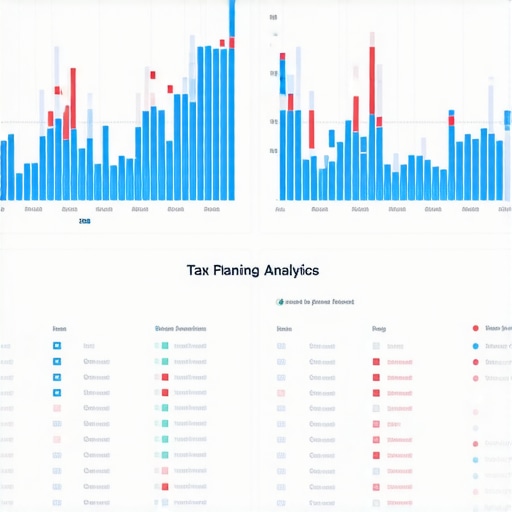
Leveraging Data Analytics for Smarter Tax Decisions
The integration of advanced data analytics platforms, such as Tableau or Power BI, enables taxpayers to visualize tax trends, forecast liabilities, and identify hidden savings opportunities. By analyzing historical data and projecting future scenarios, you can make informed decisions well before tax deadlines. Collaborating with a CPA who understands these tools amplifies your capacity to adapt strategies dynamically, ensuring compliance and maximizing savings. To explore how data-driven insights can revolutionize your tax planning, review our ultimate guide to advanced tax planning.
Expert Insights & Advanced Considerations
1. Strategic Income Timing and Deferral Techniques
High-level tax professionals emphasize the importance of timing income recognition and deferral strategies to optimize tax liabilities in 2024. By carefully scheduling sales, bonuses, or investment realizations within favorable tax periods, taxpayers can benefit from lower brackets and enhanced deductions, effectively managing cash flow and tax exposure.
2. Leveraging Legislative Nuances for Maximum Savings
Deep understanding of subtle legislative changes, such as modified Qualified Business Income Deductions and energy incentives, allows experts to craft tailored strategies that capitalize on available credits and deductions, often overlooked by less-informed filers. Staying abreast of IRS updates via official IRS updates is essential for this nuanced approach.
3. Entity Restructuring for Long-Term Tax Benefits
Restructuring business entities, transitioning from sole proprietorships to S-corporations or LLCs, can unlock significant deductions and credits, especially when combined with strategic income timing. These advanced structuring techniques require careful legal and tax analysis to ensure compliance and maximize benefits over the long term.
4. Utilizing Data Analytics for Predictive Tax Planning
Integrating platforms like Power BI or Tableau enables sophisticated visualizations of tax trends and liabilities, allowing for proactive adjustments. This data-driven approach empowers decision-makers to anticipate tax impacts and implement strategies before year-end, ensuring optimal outcomes.
5. Mastering Audit-Resilient Documentation Strategies
Meticulous record-keeping, supported by AI-automated audit trails via software like QuickBooks, fortifies defenses against IRS audits. Transparent documentation of deductions and credits ensures compliance while enabling aggressive strategies to stand up under scrutiny.
Curated Expert Resources
- IRS Official Website: The definitive source for legislative updates, tax law changes, and official guidance, essential for staying informed on 2024 legislative nuances.
- Power BI & Tableau Platforms: Leading data analytics tools that facilitate in-depth visualization of tax data, trend analysis, and forecasting—crucial for strategic planning.
- Journal of Taxation: An authoritative journal offering research, case studies, and advanced tax strategies, invaluable for professionals seeking cutting-edge insights.
- CPA Journal: Recognized for expert commentary and practical advice on complex tax planning and compliance issues, helping professionals refine their approach.
- Energy.gov: A resource for the latest green energy incentives, including the Investment Tax Credit (ITC) and Production Tax Credit (PTC), which can be integrated into strategic planning for sustainable business growth.
Final Expert Perspective
Achieving tax planning excellence in 2024 requires a blend of nuanced legislative understanding, strategic timing, and innovative data utilization. The key lies in viewing tax strategies as an ongoing, dynamic process—one that adapts to legislative shifts and market conditions. By integrating expert insights with robust resources, savvy taxpayers and professionals can unlock hidden savings, mitigate audit risks, and turn compliance into a competitive advantage. Ready to elevate your approach? Engage with seasoned professionals, explore advanced planning tools, and continuously refine your strategies to stay ahead of the curve in tax optimization.