
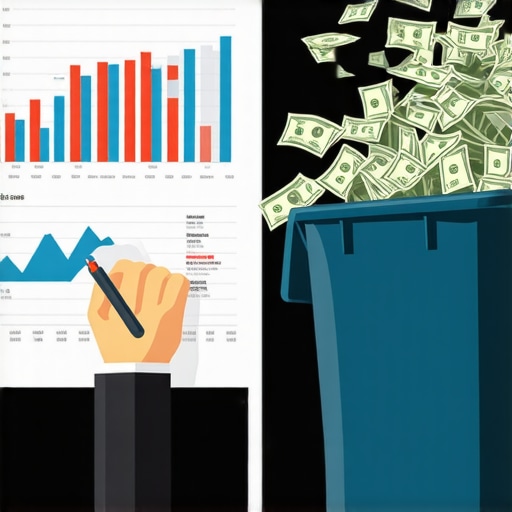
Cash Flow and Profit Are Not Friends, They Are Enemies
Let me be clear—your profit statement is a mirage, a illusion designed to make you believe your business is thriving when, in fact, your cash… well, your cash is draining faster than you realize. You might think scrolling through your profit and loss report gives you a complete picture, but you’re wrong. Cash flow is the real king, and profit is just a pawn.
Why do so many entrepreneurs and small business owners fall into this trap? Because they cling to profit as if it’s the Holy Grail, ignoring the brutal reality that cash flow can be a sinking ship even when profits look impressive. It’s like analyzing a chess game based solely on material advantage, ignoring the real threats lurking on the board—except in this game, the threat is bankruptcy.
This dissonance between profit and cash flow isn’t accidental; it’s a feature, not a bug, of modern accounting practices. And unless you’re willing to confront this uncomfortable truth, you’re doomed to chase illusions, not real growth. Learn why your cash flow doesn’t match your profit and how to fix it before it’s too late.
The Market is Lying to You
Think of your business as a game of chess played on a sinking ship. Your profit statement is the fancy map you parade around, pretending everything is under control. Meanwhile, the real issues—missing receivables, delayed vendor payments, uncollected sales—are sinking your ship, unnoticed by the distraction of high margins.
The truth? Profit figures are often manipulated or, at best, disconnected from reality. They exclude the timing of cash movements, which is critical. You must understand that profit is an accounting fiction designed to satisfy investors or fulfill tax obligations. It doesn’t account for the intermittent nature of cash, which is your actual lifeblood.
In my years working through the nitty-gritty of QuickBooks and precise bookkeeping, I’ve seen countless cases where the numbers looked shiny but the cash was evaporating. That is the fundamental flaw in relying solely on profit—it’s a story crafted on paper, not on reality.
The Evidence Behind the Illusion
There is a vast chasm running through countless small businesses: the discrepancy between profit and cash flow. Statistically, more than 60% of startups that showcase healthy profit margins face sudden cash shortages within their first three years. This isn’t coincidence; it’s a pattern rooted in flawed financial interpretation. For instance, a business might record a $50,000 profit in a quarter, but if that profit results from delayed receivables or stockpiled unpaid invoices, the cash simply isn’t there. This phenomenon—profits on paper but not in pockets—is a direct consequence of ignoring cash flow realities.
Consider the case of a mid-sized retail chain that expanded aggressively, assuming its stellar profit figures reflected genuine growth. Yet, months later, it faced a cash crunch because most sales were on credit, and customers delayed payments. The profit statement gleamed, but liquidity evaporated. This situation exposes a critical flaw: profit calculations often exclude the timing and flow of actual cash—its lifeblood—leading to dangerously misleading narratives.
The root cause lies in accounting practices that prioritize accrual accounting over cash basis. While accruals match revenues and expenses in theory, they neglect when cash physically changes hands. As a result, businesses can look prosperous while their bank accounts are dwindling. The problem isn’t just technical; it’s strategic. Relying solely on profit margins blinds entrepreneurs to looming liquidity crises, which often manifest well before profit figures turn negative.
Follow the Money to Understand the Damage
Who benefits from this skewed perception? Certainly not the small business owner battling to keep the lights on. Instead, it’s the financial advisors and accountants selling complex reports that emphasize profits over cash. When advisors push profit-centric metrics, they foster a false sense of security. The business owner then makes plans rooted in illusion, not reality.
In a way, this is a form of systemic favoritism. The financial system—because of its reliance on profit figures—prioritizes tax filings and investor reporting over day-to-day operational health. That 20% tax deduction or margin improvement looks brilliant in reports but does nothing to address the immediate need for cash. Who gains from this? The tax authorities, financial auditors, and even some consultants, all of whom profit from the narrative that profits equal health.
This dissection reveals a long-standing bias in our financial regulations and reporting standards. They incentivize managers and accountants to focus on profits—metrics that often distort reality—rather than enforce transparency about cash positions. The logical outcome? A distorted valuation of business health, leading entrepreneurs into financial traps they didn’t foresee.
The Historical Parallel: The Tulip Mania
This pattern echoes the infamous Tulip Mania of the 1630s, where the perceived value of tulip bulbs soared based on speculative reports and enticing profits. Traders believed they had wealth, but when the market snapped, many were left with worthless bulbs and mounting debts. Just like those traders, business owners chase phantom profits, blind to the real currency—the cash—that sustains their enterprise. The lesson? Illusions of wealth, whether in tulips or profit statements, are dangerous when disconnected from tangible liquidity.
In this light, the breakdown of a business often mirrors the tulip bubble burst—profit reports stay high until liquidity evaporates suddenly. Small businesses, like those tulip traders, are most vulnerable because they lack the buffer of large cash reserves or diversified income streams. When confidence falters and cash runs dry, the illusion shatters, revealing a fragile, unsustainable foundation.
The Root of the Problem Lies in the System
Ultimately, the root cause isn’t individual miscalculations; it’s a systemic flaw ingrained in our financial framework. The system rewards short-term profit optimization and compliance with tax regulations, often at the expense of liquidity management. Entrepreneurs are caught between two worlds: the need to show profits to satisfy stakeholders and the necessity of maintaining cash reserves to survive day-to-day operations. The disconnect isn’t accidental—it’s baked into the very fabric of accounting standards.
Until reforms align incentives with real-world cash dynamics, this paradox persists. Small business owners must become advocates for cash flow analysis, recognizing that profit figures are merely the surface. Beneath that surface lies the true health—liquidity and cash availability—that determines whether they survive or drown in illusions.
The Trap
It’s easy to see why many business owners cling to profit as the ultimate measure of success. Profit figures are tangible, straightforward, and often mandated by regulatory standards. Critics argue that emphasizing cash flow over profit ignores the importance of profitability for long-term sustainability. They claim that focusing solely on cash could lead entrepreneurs to neglect vital aspects like profitability, growth, and investment potential.
The Flaw in That Thinking
While these concerns are understandable, they fundamentally overlook the reality that profit statements are incomplete snapshots that can be manipulated or misinterpreted. Profit is an accounting construct, not an absolute indicator of current financial health. It does not account for timing, liquidity, or immediate cash requirements—elements critical for day-to-day operations.
I used to believe that profit was the best proxy for business health until I encountered countless cases where profitability masked critical liquidity issues. This realization shifted my perspective—profit alone can be a dangerous illusion that gives false confidence while cash reserves dwindle or debts mount.
Don’t Be Fooled by the Illusion of Profit
Profit figures are often shaped by accrual accounting, which records revenue when earned and expenses when incurred, regardless of actual cash movement. This can create a misleading narrative. For example, a business might show a healthy profit on paper while its cash reserves are draining because of delayed receivables or large upfront expenses.
Furthermore, focusing solely on profit encourages behavior that can harm cash flow, such as extending credit without regard for liquidity or over-investing in assets that do not generate immediate cash. This shortsightedness can lead to a situation where the accountant’s numbers look good, but the real-world liquidity is alarmingly thin.
The Wrong Question
The real question isn’t whether profit is important—it is—but whether it is enough. Relying on profit without considering cash flow is like navigating a ship solely by the stars while ignoring the state of the ocean. You may believe you’re on course, but a sudden storm—like a cash crunch—can doom you.
For years, I believed that profit was victory until an unexpected downturn revealed my oversight. It wasn’t that profit was meaningless; it was that it was incomplete, and trusting it without verifying cash position was gambling with my business’s survival.
The Reality Check
The best business leaders understand that cash flow is the lifeblood that sustains profitability. They analyze not only profit margins but also receivables, payables, and cash reserves daily. Profit figures are like a rearview mirror—valuable but insufficient for forward navigation. Cash flow is the windshield, offering the real-time visibility needed for survival and growth.
By ignoring cash flow, many entrepreneurs set themselves up for unnecessary crises. The real opposition isn’t just that profit can be misleading—it’s that neglecting cash flow perpetuates a false sense of security, leading to preventable failures. The challenge is real, and the solution is clear: monitor both, but prioritize cash flow management above all else.
The Cost of Inaction
If small business owners continue to neglect cash flow analysis, they’re setting themselves up for disaster. The reliance on profit figures alone creates a false sense of security, blinding entrepreneurs to the mounting risks. Without immediate intervention, this oversight can lead to a cascade of failures—bankruptcies, lost investments, and shattered livelihoods. The clock is ticking—every day of ignoring cash flow is a day closer to a financial catastrophe that could have been prevented.
A Roadmap to Future Ruin
Prolonging this neglect will cement a future where thriving businesses are rare. Over the next five years, the world could see a surge in once-promising enterprises collapsing silently, taking jobs, communities, and local economies down with them. As cash reserves dwindle unnoticed, small firms may be forced to shutter operations, leaving an epidemic of economic instability in their wake. This pattern resembles a house built on sandy ground—initially stable but doomed to collapse under strain if foundational issues—like cash management—are not addressed now.
What Are We Waiting For
Is it too late to change course? The answer hinges on awareness and action. Ignoring the warning signs now is tantamount to waiting for a flood to drown your business before seeking higher ground. Like a storm approaching on the horizon, the storm of liquidity crises grows closer with each ignored warning. Businesses that fail to prioritize cash flow analysis risk accompanying the falling dominoes—unpaid bills, mass layoffs, bankruptcy filings—inevitably leading to loss of trust, reputation, and future growth opportunities. The question isn’t just about survival; it’s about whether we have the foresight to act before the damage becomes irreversible. Delay isn’t an option—proactive cash management is the lifeline that could save countless enterprises from the abyss.
Your Move
Don’t let the illusion of profit lull you into a false sense of security. The real enemy remains unseen—your cash flow. If you continue to chase phantom numbers on your profit statement without addressing the actual liquidity of your business, you’re walking a tightrope over a financial abyss. The question is: will you recognize the danger before it’s too late? Maximize your tax strategies and reach out for expert guidance.