
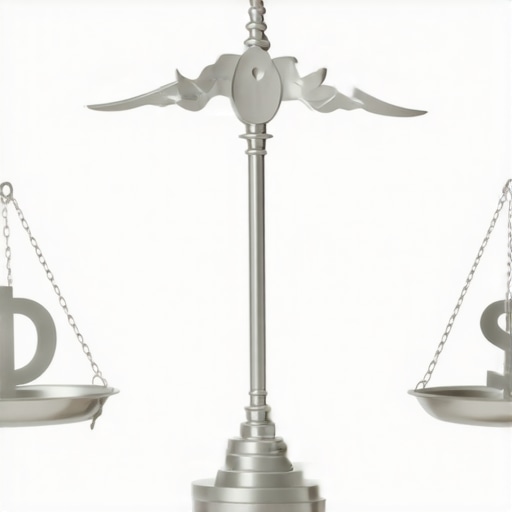
Stop Chasing Profits When the Real Danger Is Your Debt Load
Many entrepreneurs and small business owners get caught up in the obsession with profit figures. They boast about margins, celebrate quarterly gains, and focus on topping last year’s numbers. But here’s the hard truth: in today’s economic climate, your debt-to-income ratio is a far more accurate predictor of your survival than your profit margins ever will be.
Think of it like a game of chess. You might have a strong offensive position, capturing pawns left and right—that’s your profit. But if the king is exposed to a checkmate because of a vulnerable backline—your debt ratios—then all those wins are meaningless. It’s your debt load, not your gross income, that’s setting the real boundaries of your future.
You might believe that being highly profitable shields you from financial trouble. But profit is a snapshot—it doesn’t account for how much you owe or how easily you can service that debt. When credit markets tighten or cash flow slows, those debts become an anchor dragging you down. I argue that ignoring your debt-to-income ratio is like sailing a ship through a storm with a blindfold—reckless and potentially disastrous.
The Market is Lying to You
Confusing profit with financial health is a classic error fueled by marketing hype and hollow metrics. Profit is easy to manipulate through accounting tricks, deferrals, or simply delaying expenses. Debt, on the other hand, is straightforward. Your debt-to-income ratio offers a clear-eyed view of your capacity to handle financial shocks. Your balance sheet might look fine, but if your debt exceeds your income, then you’re teetering on the edge.
This is no time for wishful thinking. The economy is a rollercoaster, and half of the ride is unpredictable. If your debt-service ratio isn’t in check, you’re more vulnerable than ever. Small business loans, lines of credit, even supplier relationships hinge on your ability to manage your debt-to-income ratio, not your profit figures.
Why This Effectively Kills Your Business
When cash flow becomes constrained, high debt levels turn into a death sentence. Meanwhile, profits can be inflated by cutting corners or delaying expenses—yet your debt remains constant. I’ve seen countless companies go down because they thought profits alone meant security, only to be blindsided by debt payments they couldn’t sustain.
That’s why I also recommend mastering reliable accounting tools like QuickBooks. It’s not about flashy reports; it’s about understanding the real numbers that dictate your fate. Your profit may be a mirage, but your debt-to-income ratio is the bedrock of your resilience.
Time to Reassess and Act
So, what should you do? Reframe your focus. Stop obsessing over monthly profit swings. Instead, get a clear view of your debt picture. Cut unnecessary liabilities, negotiate better terms, and prepare for lean times by balancing the scales.
This is not a call to panic, but a wake-up call. Businesses that ignore their debt-to-income ratio are sailing blind on rough waters. Wise entrepreneurs know that how much you owe is ultimately what can sink you—not how much you earned.
If you’re serious about steering your business clear of the storm, start tracking your debt metrics with the same rigor as your profit. For more on mastering your accounting systems, check out this guide.
The Evidence: Why Debt Surpasses Profit as a Business Indicator
Historical patterns reveal that relying solely on profit margins without considering debt levels leads to collapse. The 2008 financial crisis is a prime example—companies with healthy earnings still failed because their debt obligations were unsustainable. This isn’t a coincidence; it’s proof that debt-to-income ratios are the true indicators of financial health.
Studies show that during economic downturns, companies with high leverage—meaning high debt relative to income—are disproportionately at risk. Their profits might look solid on paper, but when cash flow shrinks, they face insurmountable payments. This pattern has repeated in history—profit figures are merely the veneer; debt levels expose the underlying rot.
The Root Cause: Profit Masks the True State of Financial Stability
The problem isn’t profit itself; it’s that profit is a snapshot, often manipulated or delayed. Meanwhile, debt is a persistent weight, a constant burden that doesn’t disappear with a good quarter. When companies chase quarterly gains, they neglect their debt obligations, making quick profits irrelevant during a crisis. The focus on profit creates a *false sense of security*, blinding entrepreneurs to the impending peril lurking in their balance sheets.
Consider how many firms have *padded* earnings through accounting tricks—deferring expenses or inflating revenues—producing flattering profit reports. But their debt levels—visible and unmanipulable—tell a different story. When the economy tilts, these companies are left holding a disproportionate debt burden with no cushion, and their profit margins evaporate just when they need them most.
Follow the Money: What Benefits from Obscuring Debt?
The entities that emphasize profit over debt are not accidental beneficiaries—they have a vested interest. Financial institutions, for instance, profit from loans and credit. The more a business is convinced it’s profitable because of inflated margins, the more willing it is to take on debt, often at unfavorable terms. They benefit from the illusion that profit equals safety, encouraging reckless borrowing.
Market analysts and firms pushing positive narratives also gain from this deception. When they inflate valuations based on profit metrics, they attract investors and influence policy—creating a *false perception* of robustness. In essence, misleading profit figures serve the interests of those who lend, invest, or profit from a thriving economy that is far more fragile than it appears.
The Evidence: Debt Ratios Predict Survival, Not Profit
Empirical data confirms that debt-to-income ratios have a more reliable track record of predicting business collapse than profit margins. Research indicates that companies entering a downturn with high leverage are more likely to fail, regardless of their current profitability. This isn’t an accident; it’s a demonstration that **debt load** is a *more immediate threat*.
Furthermore, during economic contractions, cash flow issues surface first as debt burdens become unmanageable. Profits can be inflated for years, but when liquidity dries up, companies with heavy debt defaults follow. This dynamic underscores that **debt ratios** are the *canaries in the coal mine*—early warnings of impending failure.
The Math Fails Profit’s Illusion
Accountants and CFOs often focus on net income, but that figure can be heavily influenced by accounting policies. Debt, however, is concrete. It’s recorded in black and white, a tangible obligation that erodes business resilience. When creditors tighten terms or demand repayment, the veneer of profit crumbles—yet the debt remains etched in the balance sheet.
This stark reality exposes the flawed assumption that profit alone guarantees security. A business can show a healthy bottom line but be crippled by unsustainable debt. The *true measure* isn’t how much you make, but how little you owe relative to your income—your debt-to-income ratio.
When the House of Cards Collapses
History teaches us that crises are usually precipitated by debt, not declining profits. The dot-com bubble burst in 2000, the mortgage crisis in 2008—both scenarios involved reckless debt expansion masked by shiny profit reports. In both cases, the *loss of liquidity* shattered illusions of strength, revealing the debt’s ugly grip.
Today, the same script plays out in a different guise. Firms ride high on inflated margins, but beneath the surface, debt accumulates. When interest rates rise or cash flows falter, the entire facade disintegrates. Profit figures can be manipulated; debt ratios cannot. That’s why savvy entrepreneurs focus on their debt levels—because the math doesn’t lie.
The Trap of Profit Obsession
It’s easy to see why many entrepreneurs are seduced by soaring profit margins, shiny quarterly reports, and the lure of immediate gains. The allure of a thriving bottom line creates a false sense of security, leading many to believe they’ve cracked the code of financial stability.
Don’t Be Fooled by Profit Figures
What they overlook is that profit can be manipulated—through deferred expenses, accounting tricks, or one-time gains—painting a misleading picture of health. That shiny profit can mask underlying vulnerabilities, especially when debt levels are soaring unnoticed.
In my experience, a focus on profit alone is shortsighted. It distracts from the real armor that shields a business during downturns: a manageable debt-to-income ratio. If debt piles up in the background, it can turn profitable years into a house of cards.
The Critical Flaw in Profit-Only Mindsets
Relying on profit as the primary indicator ignores the immutable reality that debts are concrete obligations, while profits are often illusions or fleeting windows. When credit tightens or cash flow dips, debt remains, ready to swallow the enterprise whole.
I used to believe that high profit margins meant safety until I witnessed companies with stellar earnings crumble under unmanageable debt. This realization shifted my perspective: debt, not profit, is the real test of resilience.
The Wrong Question Who Benefits From Profit Myopia
Entities like financial institutions and market analysts have a vested interest in amplifying profit figures. They profit from loans, inflated valuations, and optimistic narratives that often overlook the debt beneath the surface.
This obsession with profit over debt perpetuates a false sense of security, leading businesses to overextend themselves with risky borrowing, believing profit margins will carry them through any storm.
Challenging the Narrative
If we accept that debt levels are a more accurate measure of sustainability, it questions the very foundations of our current financial storytelling. Are we valuing earnings or the capacity to withstand shocks? It’s a question that demands honest answers.
The real risk lies in neglecting the relentless truth that debt is an ever-present threat. A company’s ability to survive adversity hinges on its debt management, not its profit reports.
Your Focus Must Shift
What’s the solution? Shift your focus from chasing profits to managing debt proactively. Regularly assess your debt-to-income ratio, negotiate better terms, and avoid the complacency that comes with a high profit margin.
Only then will you be equipped to weather the inevitable storms that come with any economic cycle. Profit is the veneer; debt management is the fortress.
The Cost of Inaction
If entrepreneurs continue to focus solely on profit margins while neglecting their debt-to-income ratios, the consequences will be catastrophic. The current economic climate, marked by rising interest rates and tightening credit, acts as a pressure cooker. Businesses hiding unsustainable debt levels behind shiny profit figures are setting themselves up for a fall. When cash flows dry up or borrowing costs escalate, those latent debts turn into an unstoppable storm, crashing down on their operations and livelihoods.
This isn’t just about individual failures; it’s about the broader ripple effects on our economy. As more businesses drown in unmanageable debt, unemployment rises, supply chains falter, and consumer confidence erodes. The risk is systemic, threatening to plunge markets into chaos. The longer this unchecked debt accumulation persists, the steeper the fall will be when the inevitable reckoning arrives.
The Future Looks Bleak Without Action
If this trend continues unchecked over the next five years, the landscape will be unrecognizable. Financial institutions will tighten lending standards, creating a credit crunch that leaves even viable businesses struggling to survive. Small businesses—often the backbone of local economies—will shutter en masse. Cities and communities will face economic downturns, unemployment spikes, and social instability. The false comfort provided by bloated profit reports will give way to widespread insolvency, erasing decades of growth in a matter of years.
Imagine a future where economic resilience is a distant memory, replaced by a cycle of debt-driven collapses. The world would resemble a house of cards, vulnerable at every level, ready to tumble at the slightest tremor. The very fabric of our financial system—built on risky borrowing and hollow profit claims—will have unraveled, leaving society to grapple with the fallout.
What are we waiting for?
It’s akin to ignoring a growing crack in a dam. The initial warning signs are clear, yet the urge to dismiss them persists—hoping the water won’t break through. But history shows us that delays only deepen the disaster. Ignoring the debt problem is a gamble with high stakes; the more you avoid confronting it, the more severe the fallout when it finally erupts. The wall is cracking, and the question is: will we repair it in time, or will we watch the flood destroy everything in its path?
Entrepreneurs: you’ve been conditioned to fixate on profit figures, celebrating margins and quarterly gains. But here’s the truth—your debt-to-income ratio is a more reliable compass for survival than any profit statement. Think of your business as a ship navigating treacherous waters; profit is your sail, but debt is the anchor dragging you down. Ignoring the weight of your liabilities is equivalent to sailing blindfolded in a storm.
Profit can be a mirage, manipulated through accounting tricks or deferred expenses. Debt, however, is concrete and unavoidable. Your debt-to-income ratio exposes whether your business can withstand economic turbulence or is sitting on a powder keg. During downturns, high leverage turns from a statistic into a death sentence. This reality underscores why mastering your debt metrics, much like mastering QuickBooks or CPA strategies, is vital for resilience. For actionable guidance, explore this resource.
The risk isn’t just individual. When businesses neglect debt management, systemic vulnerabilities emerge, threatening entire markets. The 2008 financial crisis was fueled by excessive debt masked as profit. The next crisis won’t announce itself; it will creep in as cash flows tighten and liabilities surface—yet, many will be unprepared because they’ve been dazzled by superficial profit margins. Your move: shift focus from fleeting gains to the unambiguous, black-and-white reality captured in your balance sheet. Dive deeper with this guide.
History’s lessons are clear: debt levels—those visible, tangible obligations—predict survival, not profit margins. The math doesn’t lie. When interest rates rise or liquidity dries up, debts become the true measure of strength. If your debt-to-income ratio isn’t under control, no profit statement will save you from collapse. As I have learned through years of experience, managing debt is the fortress that shields your business from ruin.
And here’s the provocative truth—focusing solely on profit is a blindfold in the storm. It’s time to reconsider your priorities. Use reliable accounting tools, like trusted CPA techniques, to assess your actual financial health. The goal isn’t just profitability; it’s sustainable resilience. Your business’s future depends on recognizing that debts, not profits, are the silent killers lurking behind the scenes.
So, entrepreneurs, ask yourself—are you truly managing your liabilities or merely celebrating your gains? The answer could mean the difference between thriving amid chaos or drowning in it. Become a master of your debt metrics; your survival depends on it. Remember, profits are fleeting, but debts are forever. The path to sustainability begins with a single step—face your liabilities with unflinching honesty. For more insights, visit our about page.