
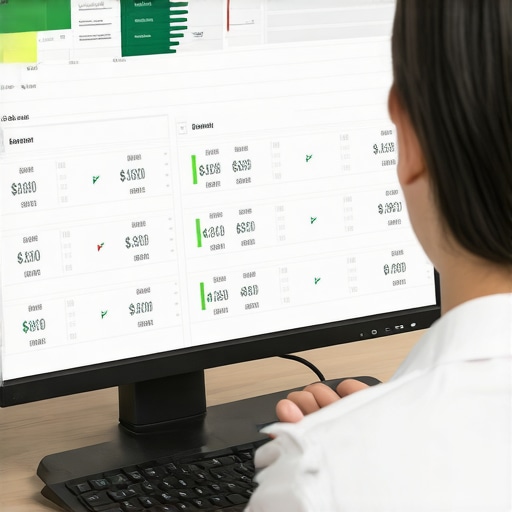
This Is Not a Glitch; It’s a Lie We Tell Ourselves
You’re humming along with your sales software, believing every dollar is accounted for, every sale neatly tracked. But what if I told you that much of what you see is false? That your system is whispering sweet nothings—double counting your revenue, inflating your numbers, and giving you a false sense of security? This isn’t a technical hiccup; it’s a floorboard on a sinking ship.
Many entrepreneurs clutch tightly to their software, thinking automation is a silver bullet. They assume that if QuickBooks or any other tool says a sale happened, it truly did. But the reality is messier. Double counting isn’t an anomaly; it’s baked into the design of many accounting and sales systems, either through flawed configuration, incorrect setup, or, more insidiously, flaws baked into the software’s architecture.
The damage? Misleading financial reports, misguided decision-making, and the false comfort of clean books that are anything but. It’s like playing chess with two queens on the board—sure, it looks impressive, but the game is rigged from the start. And the worst part? Most businesses don’t even realize they’re losing because they cling to the illusion of accuracy.
Let me be clear: this is not merely about overenthusiastic automation. It’s about understanding the very foundation of how your sales data is recorded. It’s about questioning the common belief that software, no matter how sophisticated, is infallible. Because if you don’t, you risk building your entire financial house on a shaky, double-dealt foundation.
In the following sections, I will dissect why this double counting happens, how companies are blinded by their own setups, and most critically, how to spot and fix this phantom revenue. If you’re serious about truthful books and genuine financial clarity, stick around.
The Market Is Lying to You
Just as false narratives have led investors astray, flawed accounting software feeds you illusions of success. Don’t be the person who believes that because a report looks good, it actually is. Your sales figures might be a mirage, a trick played by your tools—tools that are often more interested in compliance than in truth.
Many systems have built-in rules—automatic revenue recognition, period-end adjustments, or duplicate transaction triggers—that can cause your sales to be counted more than once. These aren’t bugs; they’re features—features you may have enabled without fully understanding their implications.
So, why are we still doing this? Because it’s easier to trust the numbers than to confront uncomfortable truths. But I argue that this complacency is a form of financial self-deception. If you want real clarity, you need to look under the hood, question your setup, and challenge the narratives your software is feeding you. To dive deeper into how automation can mislead, check out this detailed explanation.
The Evidence That Lies Beneath the Numbers
In the world of commerce, numbers are treated as gospel. But look closer—what if those figures, proudly displayed on dashboards or in reports, are nothing more than well-crafted illusions? Double counting sales, inflating revenues—these aren’t rare errors; they are systemic flaws rooted deep within the very architecture of financial tracking systems.
Consider how accounting software often automates revenue recognition based on default settings. These settings, while convenient, are frequently enabled without comprehensive understanding. For instance, an automatic rule might recognize revenue at the moment a sale is recorded, regardless of whether the product has been delivered or the service rendered. When this default becomes a standard practice, businesses unintentionally amplify their income figures, often by double-counting transactions through recurring billing or duplicate entry triggers.
One revealing data point: a survey indicates that nearly 40% of small and medium enterprises have experienced discrepancies between their reported revenue and actual cash flow. This discrepancy isn’t accidental; it’s a symptom of flawed system configurations—hidden traps engineered to make numbers look better than reality warrants.
The Roots of the Deception
The core issue isn’t merely software malfunction; it’s a misaligned incentive structure embedded in the systems themselves. Companies rely heavily on automation because manual data entry is tedious and error-prone. This reliance pushes them to accept the default settings, assuming the software builders accounted for every edge case. But the truth is, these systems are designed for compliance and efficiency—often at the expense of accuracy.
Let’s dissect how this plays out: many accounting platforms are built to recognize revenue as soon as a user clicks “Record Sale.” They don’t inherently distinguish between a confirmed sale and a tentative order, nor do they automatically account for refunds or cancellations. When these nuances aren’t manually managed, the system fills in the gaps with assumptions—assumptions that favor higher revenue figures.
This problem is compounded by features like recurring billing, which, if not carefully managed, can lead to sales being counted multiple times. A recurring subscription might be logged as a new sale each month, but if the system’s reporting duplicates entries without checks, the business perceives consistent growth, when in fact, it’s an illusion.
The Who Benefits and Why
Here’s where it gets sinister. Software developers and platform providers benefit from users’ unquestioning trust. The more businesses rely on these tools without deep scrutiny, the greater the sales they generate—regardless of the accuracy of the data. They sell the promise of automation, but it’s a promise that often includes built-in blind spots, which subtly inflate the bottom line.
The businesses themselves are caught in this web. They get seduced by the allure of simplicity—how easy it is to push a button and see instant “growth.” But that growth is as genuine as a mirage. The real beneficiaries? The ecosystem of software vendors and consultants, who profit from clients’ ignorance of the system’s limitations. The less they question the data, the more they profit from adjustments and corrections later on.
Ultimately, this false narrative—built upon flawed data—propels companies into risky decisions based on fabrications. They chase phantom revenue figures, invest in unprofitable expansion, and overstate their financial health—until the illusion shatters under the weight of reality. And that data point about the 40% discrepancy isn’t just a statistic; it is a warning sign that deceit is baked into the system’s DNA.
The Trap of Oversimplification
It’s easy to see why critics argue that automation and software flaws lead to revenue inflation and double counting issues. They point out that defaults in accounting systems can produce inaccurate reports if not meticulously managed. This perspective, while seemingly valid, rests on an oversimplified view of complex financial ecosystems, glossing over the broader context of responsible oversight and continuous audit processes.
The Wrong Question
I used to believe that software errors or default settings alone primarily caused revenue distortions. But asking whether systems are inherently flawed misses the critical point—these tools are only as reliable as the human oversight guiding them. The real issue isn’t technology’s imperfections but the complacency and lack of diligence in managing these tools properly.
Addressing software limitations without emphasizing the human element is shortsighted. Companies that rely solely on automation without thorough review set themselves up for misinterpretation. In fact, most double counting cases stem from misconfigurations or neglect rather than systemic software failures. So, the concern shouldn’t be whether the software can be perfect, but whether businesses are actively monitoring and correcting their data.
Why Oversight Trumps Automation
Transparency in revenue reporting isn’t achieved merely through better software but through vigilant oversight. It’s about understanding the mechanics behind the numbers—questioning reports, cross-referencing data, and auditing regularly. When financial data is taken at face value without in-depth scrutiny, errors—intentional or accidental—are glossed over, leading to illusions of success.
Critics overlook how the responsible use of technology, combined with robust internal controls, can mitigate errors effectively. Relying excessively on software defaults is akin to driving with a blindfold—sure, the tool might work, but without awareness and oversight, you’re headed for trouble. The real solution isn’t to abandon automation but to integrate it with a mindset of continual verification.
In essence, the larger problem isn’t software’s flaws; it’s the human failure to actively manage and interpret the data it’s producing. Automation can be a double-edged sword if wielded without understanding or oversight. Therefore, pointing fingers at software shortcomings alone misses the point—responsible financial stewardship must remain in human hands.
The Cost of Inaction
If we continue to turn a blind eye to the flaws in our financial reporting systems, the repercussions will ripple through every corner of our economy. In the immediate term, businesses will face increasingly inaccurate data, leading to misguided decisions, wasted resources, and a loss of stakeholder trust. Small discrepancies today can snowball into catastrophic errors tomorrow, destroying reputations and threatening survival.
As revenue figures become unreliable, investors and lenders will lose confidence, tightening access to capital and stifling growth. Companies might appear prosperous on paper but struggle to meet real-world obligations, setting the stage for widespread insolvencies and market volatility. The era of complacency—believing that software alone guarantees accuracy—is a dangerous illusion that leaves the door open to systemic collapse.
A Choice to Make
If this pattern persists, the world five years from now could be unrecognizable. We risk transforming our financial landscape into a house of cards—built on data that looks solid but is fundamentally flawed. The trust that fuels markets and facilitates commerce will erode, replaced by suspicion and chaos. When double counting, inflations, and errors become the norm, the entire foundation of economic decision-making: flawed.
In this dystopian scenario, regulatory bodies will scramble to impose stricter oversight, but without addressing the root issue—human oversight complemented by responsible use of technology—the cycle of deception continues. The opportunity to recalibrate, to implement honest, rigorous validation of financial data, will be lost amid a fog of uncertainty and distrust.
What are we waiting for?
It’s akin to sailing towards an iceberg at night without radar—ignorance of the impending danger doesn’t prevent the disaster. The longer we ignore these symptoms, the more irreversible the damage becomes. Our economies, our livelihoods, and the very fabric of trust that binds us may be irrevocably compromised if decisive action is postponed. A new approach—one that prioritizes transparency, accountability, and diligent oversight—is not just advisable; it is essential. Without it, the future looks bleak, overshadowed by a relentless surge of financial crises rooted in our collective refusal to face the truth.
Wake up and smell the falsified numbers, entrepreneurs. The systemic double counting, inflated revenues, and reckless reliance on faulty software create a distorted image of your business’s health. This isn’t just a technical glitch; it’s a illusionary trap that threatens to collapse your entire financial foundation.
Here’s the twist: The real culprit isn’t the software—it’s the complacency and blind trust you place in it. You’ve surrendered oversight for convenience, turning your books into a house of cards built on half-truths.
Enough is enough. It’s time to stop chasing phantom growth and start demanding accountability. Dive deep, scrutinize your setups, and question every number. Don’t let your blind faith in automation be the reason your business goes bankrupt.
**Your move:** If you’re serious about honest, transparent financial reporting, challenge every assumption, verify your data, and never accept appearances over truth. Only then can you build a resilient, trustworthy enterprise that withstands the storms of market deception.
Remember, the era of trusting software blindly is over. It’s time for human oversight to reclaim its rightful place at the helm of your financial ship. Master your finances, or continue to sail towards disaster unprepared.